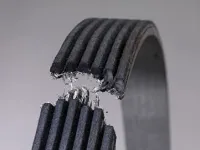
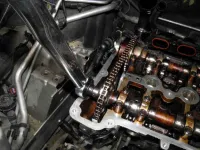
- The timing belt synchronizes the crankshaft and camshaft for engine operation
- Worn belts can cause misfires, reduced performance, higher fuel use, and possible damage
- If the belt breaks, the engine won’t start; stop and call service
- Unusual engine noises like metallic knocking or squealing can signal timing issues
The timing belt is one of the engine’s vital components, responsible for the perfect synchronization between all moving parts. When this belt wears or breaks, the consequences can be devastating for the engine, leading to repairs costing thousands of euros. For this reason, it is essential to recognize in time the signs indicating the need to replace the timing belt.
In this comprehensive guide, you will learn everything about the role of the timing belt, the wear signs to watch for, and what you can do to avoid an expensive breakdown.
What is the timing system and what is its role
The timing system is the assembly of components that ensures perfect synchronization between the elements responsible for gas intake and exhaust, as well as the correct positioning of the pistons in the cylinders. In practice, this system handles the timing of the engine’s combustion, and is fundamental for its proper operation.
Components of the timing system
The timing system includes the following main elements:
- Timing belt teeth (or timing chain on certain models)
- Water pump (not in all cars)
- Tensioner pulley and idler pulley
- Various gears and gears with teeth
The timing belt itself is made from high-strength synthetic materials, specially designed to withstand constant wear and the intense mechanical stresses. Its main role is to maintain perfect synchronization between the upper and lower parts of the engine — specifically between the crankshaft and the camshaft.
The five main signs you need to replace the timing belt
1. The engine no longer runs smoothly
When the timing belt begins to wear, it can slip, and it may jump several teeth. In this case, the precise synchronization it provides will be compromised.
Effects on the engine:
- The intake and exhaust valves will operate with delays
- Engine performance will noticeably decrease
- Fuel consumption will increase
- Other adjacent components may experience issues
- In extreme cases, cylinder head damage may occur
If you notice the engine “stumbling,” misfiring, or not responding correctly to acceleration, it’s time to urgently check the timing belt’s condition.
2. The engine refuses to start
This is the most serious scenario and indicates that the belt has broken completely. You may hear the engine trying to start but failing to crank.
What to do in this situation:
- Stop attempting to start immediately
- Do not try to start the engine again
- Contact a specialized service
- Avoid driving the vehicle
If the belt breaks while driving, pull over to the side, stop the engine, and do not attempt to restart until assistance arrives.
3. Unusual noises from the engine bay
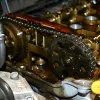
A metallic knocking or unusual noise can indicate problems in the timing system. These sounds usually come from lifters that are no longer properly lubricated due to faulty synchronization.
Noise types that should alert you:
- Metallic knocking from inside the engine
- Friction or squealing sounds
- Rhythmic noises synchronized with engine speed
These sounds can also indicate oil pressure problems, which can be caused indirectly by a faulty timing belt.
4. Oil leaks from the front
Oil leaks from the front of the engine can be an indirect sign of timing belt problems.

Why these leaks occur:
- Vibrations caused by faulty synchronization can damage gaskets
- Uneven pressure in the engine can force oil out at seals
- Wear of adjacent components can create leak points
5. The check engine light comes on
In modern vehicles, the Check Engine light can signal various problems, including those related to the timing system.
What to do:
- Never ignore a lit light
- Check the error code as soon as possible with a scanner
- Avoid aggressive driving until the problem is identified
- Schedule a check at a specialized service
When should the timing belt be replaced
Recommended replacement interval
Most manufacturers recommend replacing the timing belt at the following intervals:
- Mileage: between 60,000 and 120,000 km (varies by model)
- Time: around 4-6 years, regardless of mileage
- Whichever comes first: mileage or calendar time
Factors that influence belt life
- Driving conditions: heavy urban traffic wears the belt faster
- Fuel quality: poor-quality fuel can accelerate wear
- Engine maintenance: regular oil changes extend belt life
- Operating temperature: frequent overheating damages materials
Timing belt replacement - DIY or specialized service?
Why a specialized service is recommended
Replacing the timing belt is one of the most complex service operations and requires:
Specialized equipment:
- Belt tension measurement devices
- Calibrated torque wrenches
- Timing synchronization locking systems
Advanced technical knowledge:
- Model-specific procedures
- Exact sequences for disassembly/assembly
- Correct timing settings
Safety of the job:
- Avoiding engine damage
- Warranty on parts and labor
- Diagnosing related problems
If you still choose the DIY route
Required preparation:
- Before starting, disconnect the negative battery cable and have all necessary tools.
Disassembly of components:
- Remove the accessory belt
- Remove components that block access (servo, AC compressor)
- Remove the valve cover assembly if necessary
- Raise the car and remove the front right wheel
- Remove the bumper and engine mount
Removing the belt:
- Remove the damper pulley for the harmonic balancer
- Remove plastic protective covers
- Align the engine to reference marks
- Loosen the tensioner with a specialized wrench
- Remove the worn belt and pulleys
Checking and replacing components:
- Check the water pump — if you replace the belt, replace the pump as well
- Drain the cooling system
- Clean the entire timing system
- Install the new pump and fill with fresh coolant
Reassembly: Reassembly is done in reverse order, strictly following the recommended torque values and correct alignment of reference marks.

Important: This procedure requires substantial mechanical experience and specialized equipment. A mistake can lead to complete engine destruction.
Costs associated with timing belt replacement
Factors that influence cost
- The model and make of the vehicle
- The complexity of accessing the belt
- The need to replace the water pump
- The condition of other components in the system
- The service location
What components are usually replaced at the same time
- The timing belt
- The water pump
- The tensioners and idler pulleys
- Gaskets and seals
- The cooling liquid
Consequences of timing belt failure
Depending on the engine type, belt failure can lead to:
Interference engines
- Valve damage
- Piston damage
- Cylinder head damage
- Repair costs in the thousands of euros
Non-interference engines
- Only belt and related components replacement
- Much lower repair costs
Preventive measures and maintenance
Periodic inspection
- Visually check the belt condition at every service
- Look for cracks or tooth wear
- Check belt tension
Proper engine maintenance
- Change engine oil regularly
- Use quality fuel
- Avoid overheating the engine
- Respect service intervals
Preventive driving
- Avoid abrupt acceleration and deceleration
- Let the engine warm up gradually
- Do not push the engine to high revs when cold
Conclusion
The timing belt is a vital component that requires constant attention and timely replacement. Early recognition of wear signs can prevent costly repairs and save the engine from complete destruction.
Although replacing the belt may seem like a big expense, its cost is negligible compared to repairing a damaged engine. Investing in preventive maintenance and using a specialized service are the wisest decisions you can make to protect your vehicle in the long term.