- Tie rod ends last about 100,000 km, wear varies with conditions.
- Warning signs include clunking noises, steering vibrations, and increased play.
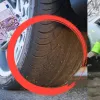
- Uneven tire wear may indicate tie rod end problems.
- Complete failure can cause loss of control.
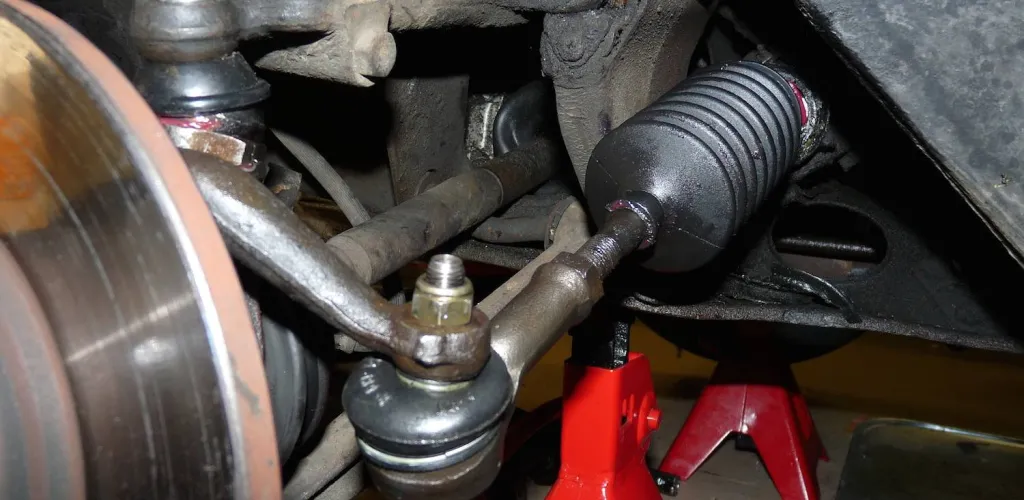
The steering system is one of the most critical components for road safety. tie rod end, the part that connects the suspension to the steering system, plays a crucial role in vehicle control. When this component begins to fail, warning signs appear gradually, but the consequences of ignoring them can be dramatic.
The front axle of a car fulfills simultaneously the roles of steering and suspension, being a complex assembly of mechanical connections that work together to provide comfort and safety at the wheel. The failure of the tie rod end can severely compromise vehicle control.
Lifespan and wear factors
Tie rod ends are designed to last about 100,000 kilometers under normal use, according to manufacturers’ specifications. However, their actual lifespan is significantly influenced by several factors:
- Driving style: abrupt accelerations and braking, cornering at speed
- Road conditions: roads full of potholes, bumps, or irregular surfaces
- Weather conditions: exposure to humidity, road salt, and extreme temperatures
- Vehicle maintenance: lack of lubrication or regular inspections
The tie rod end failure mainly occurs due to material fatigue or repeated shocks during operation.
Symptoms indicating a defective tie rod end
Characteristic sounds
The first and most evident sign of a worn tie rod end is unusual noises. You may hear:
- Metallic clunk over bumps
- Metal-on-metal sounds in advanced wear cases
- Noises that seem to come from in front of the car, usually from one side
Initially, these sounds can be subtle and easy to ignore, but they will intensify as the defect worsens.
Changes in steering behavior
The defective tie rod end directly affects the steering system, manifesting as:
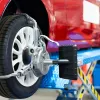
- Vibrations in the steering wheel, especially at higher speeds
- Increased play in the steering wheel - the sensation that the steering does not respond immediately to commands
- Loss of precision in vehicle maneuvering
- Difficulty keeping the vehicle on a straight line
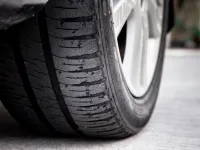
Uneven tire wear
A clear visual indicator of tie rod end problems is abnormal tire wear:
- Wear on one side (inner or outer) of the tire from the defective tie rod end
- Visible difference in wear between the side treads of the same tire
- An asymmetric wear pattern compared to the other wheel on the same axle
Note: If both outer edges of the tire wear unevenly, the issue is usually related to incorrect tire pressure, not the tie rod end.
Integrated wear indicators
Some modern tie rod ends are equipped with visual wear indicators that facilitate diagnosis. These indicators allow a quick assessment of the component’s condition without disassembly.

Dangers of a defective tie rod end
Risk of losing control
Complete failure of the tie rod end represents one of the most dangerous steering system faults. In the event of a complete break, the driver may instantly lose control of the respective wheel, which can lead to:
- Serious accidents, especially at high speeds
- Loss of vehicle control in turns or during evasive maneuvers
- Inability to maintain the desired direction
Costly secondary damages
Abrupt breakage of the tie rod end can cause cascading damage to other suspension components:
- Bending or breaking of the knuckle
- Damage to the anti-roll bar link
- Deterioration of the suspension arms
- Damage to the rim and tire due to uncontrolled contact with the ground
The costs of these secondary repairs can often exceed the cost of preventive replacement of the tie rod end.
When to go to service
Upon appearance of any of the mentioned symptoms, it is essential to schedule a service inspection as soon as possible. Professional diagnostic can confirm the condition of the tie rod end and prevent the serious consequences of a complete failure.
Delaying intervention is not an option when it comes to road safety. A defective tie rod end represents a major risk for both the driver and other road users.
Sursa foto: shop.advanceautoparts.com, hollywoodmotorsinc.com