- Regular engine cleaning helps reveal leaks and prevent costly repairs
- It protects against corrosion in cold, salt-prone climates
- A clean engine reduces fire risk and can boost resale value
- Engine cleaners are poured into the oil fill and run for 15 minutes
Most drivers pay close attention to routine vehicle maintenance, focusing largely on exterior appearance. Few consider occasional engine cleaning, a procedure that can yield significant benefits for both performance and operating safety.
The frequency and need for cleaning depend on several factors: the car’s age, make and model, driving conditions, and how quickly dirt accumulates in the engine bay. Understanding these aspects is essential for any responsible car owner.
Benefits of Periodic Engine Cleaning
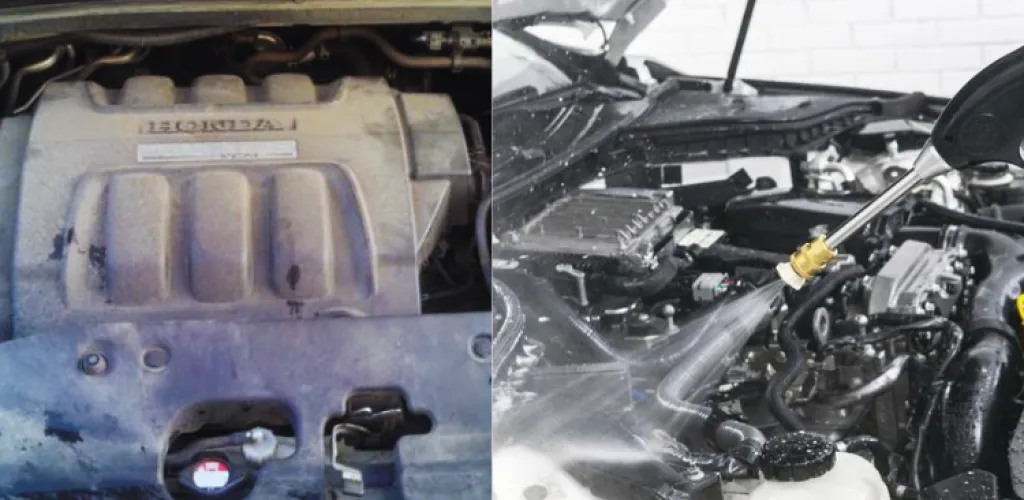
Regular engine cleaning offers multiple advantages for the vehicle and its owner. The first and most important benefit is facilitating the detection of leaks or cracks in engine components, allowing repairs before problems become more serious and costly.
Protection Against Corrosion
In cold climates where road salt is used during winter, accumulation of these substances in the engine bay can cause corrosion of metal components. Periodic cleaning is an essential preventive measure against this destructive phenomenon.
Safety Considerations
A clean engine significantly reduces the risk of fire. The buildup of oil, grease, and flammable residues on hot engine components can create dangerous conditions, especially in the event of a malfunction or overheating.
Resale Value and Ease of Servicing
In addition to technical benefits, a clean engine makes service and repairs easier, and at resale it can increase the perceived value of the vehicle. A well-maintained engine bay conveys an image of an owner who cares about maintenance.
Causes of Engine Dirt Buildup
Modern engines are designed to be cleaner than those of the past, but they still get dirty for various reasons tied to operating conditions and maintenance habits.

Environmental Factors
Driving on dirt or gravel roads introduces fine particles into the engine bay. These impurities can deposit on engine components and mix with oil, forming harmful deposits.
Operating Conditions
Frequent short trips prevent the oil from reaching its optimal operating temperature. This promotes residue buildup and hinders the natural removal of impurities through evaporation.
Fuel and Oil Quality
Dilution of fuel in the oil and the use of low-quality oil contribute to the formation of unwanted deposits in the engine. These substances carbonize over time, creating layers of dirt that are difficult to remove.
Maintenance Habits
Irregular oil changes are one of the main causes of engine contamination. Worn oil loses its detergency properties and becomes a source of impurities instead of removing them.
What Are Engine Cleaners
Engine detergents, also known as engine wash fluids or degreasers, are specialized chemical additives that remove grease buildup and other types of deposits from inside the engine.
How to Use
Most cleaning agents are applied by pouring into the engine oil fill port. The car should idle for about 15 minutes, during which the additive mixes with the oil and circulates through the entire lubrication system, dissolving deposits.
Usage Frequency
Although some mechanics recommend using a motor cleaner every 5,000–10,000 kilometers, this frequency is not necessary for most modern cars. A complete engine flush around 50,000 kilometers may be sufficient for most vehicles.
Considerations for Older Vehicles
For cars older than eight years or with over 150,000 kilometers, using an engine cleaner may not be recommended. In these cases, existing deposits can contribute to sealing small cracks, and removing them abruptly may cause leaks.
Engine Cleaning Recommendations
Before deciding to use an engine cleaner, it is important to assess the real needs of the vehicle. Consulting a specialized mechanic can help make the right decision, taking into account the car’s age, mileage, and driving style.
Engine cleaning should be a well-informed decision, based on a clear understanding of benefits and potential risks. A well-maintained engine not only runs more efficiently but can also have a longer life, translating into long-term savings for the owner.