- Engine knocking is detonation causing metal noise and potential piston damage.
- Causes include carbon buildup, wrong air-fuel mix, faulty spark plugs, overheating.
- Poor fuel quality and incorrect ignition timing also cause knocking.
- The EGR system helps combat detonation by recirculating exhaust gases.
Engine knocking is one of the warning signs every driver should take seriously. This characteristic metallic noise, also known as detonation or engine knocking, typically occurs during acceleration and indicates defective combustion that can cause serious long-term engine damage.
This phenomenon not only affects vehicle performance but also contributes to higher pollutant emissions, with the engine emitting more NOx and unburned hydrocarbons than under normal operating conditions.
What happens in the engine when knocking occurs
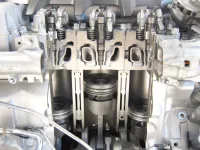
Knocking or “engine knocks” is the result of abnormal combustion in the cylinders. Under normal operation, the spark plug ignites the air-fuel mixture at the right moment, and the flame front propagates uniformly from the tip of the spark plug toward the cylinder walls, like a controlled flame front.
When detonation occurs, two or more flame fronts form and travel at different speeds. When these fronts collide, they create intense pressure waves that produce the characteristic metallic noise and can damage pistons, piston rings, and other engine components.

Main causes of engine knocking
Improper combustion
The most common problem that causes knocking is premature burning of the fuel. This can occur for several reasons:
- Carbon buildup: Carbon deposits in the combustion chamber increase the compression ratio and create hot spots that can ignite the mixture prematurely
- Incorrect air-fuel mixture: A too-lean mixture can raise the combustion temperature
- Faulty spark plugs: Worn spark plugs or those with an incorrect heat range can trigger ignition before the optimal moment
Engine overheating
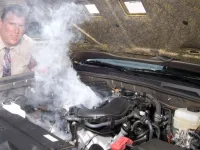
Overheating engine is a frequent cause of detonation. When the operating temperature exceeds normal parameters, the air-fuel mixture can ignite spontaneously before the spark plug produces a spark.
Excessive temperature can be caused by:
- Cooling system faults
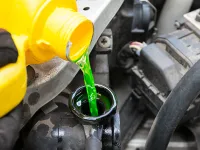
- Low or poor-quality coolant
- Stuck thermostat
- Faulty cooling fan
- Clogged radiator
Poor fuel quality
Using gasoline with too low an octane rating for the engine can provoke detonation. The octane rating measures the fuel’s resistance to auto-ignition – the higher, the more resistant the fuel is to ignite under high pressure and temperature without a spark.

Modern engines with high compression ratios require gasoline with an octane rating of at least 95–98 RON to operate optimally.
Ignition system problems
Incorrect ignition timing can cause detonation. If the spark occurs too early in the engine cycle, the pressure and temperature in the cylinder rise excessively, promoting spontaneous ignition of the fuel.
Solutions and preventive measures
The EGR system – a manufacturer solution
The EGR system (Exhaust Gas Recirculation) was developed specifically to combat detonation. By recirculating a controlled amount of exhaust gases into the intake, the EGR system:
- Reduces combustion temperature
- Lowers the oxygen concentration in the mixture
- Prevents spontaneous ignition of the fuel
- Maintains optimal operating parameters
Preventive maintenance
To prevent engine knocking, follow these measures:
- Use quality fuel with the octane number recommended by the manufacturer
- Replace spark plugs according to the maintenance schedule
- Regularly check the cooling system
- Perform engine decarbonization at regular intervals
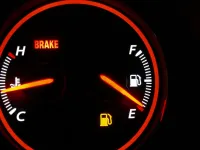
- Monitor engine temperature during driving
Consequences of ignoring the problem
Ignoring engine knocking can have serious consequences:
- Piston damage from cracking or scoring
- Premature wear of piston rings
- Cylinder head damage
- Loss of power and reduced fuel efficiency
- Increased pollutant emissions
- Costly engine repairs
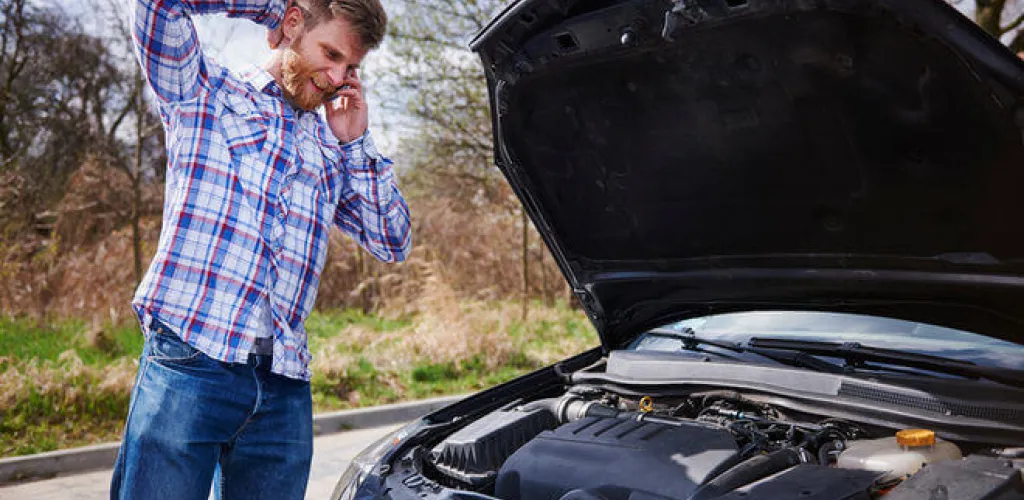
If you notice engine knocking, pull over safely and contact a qualified mechanic for diagnosis. A quick intervention can prevent major damage and the costs associated with it.