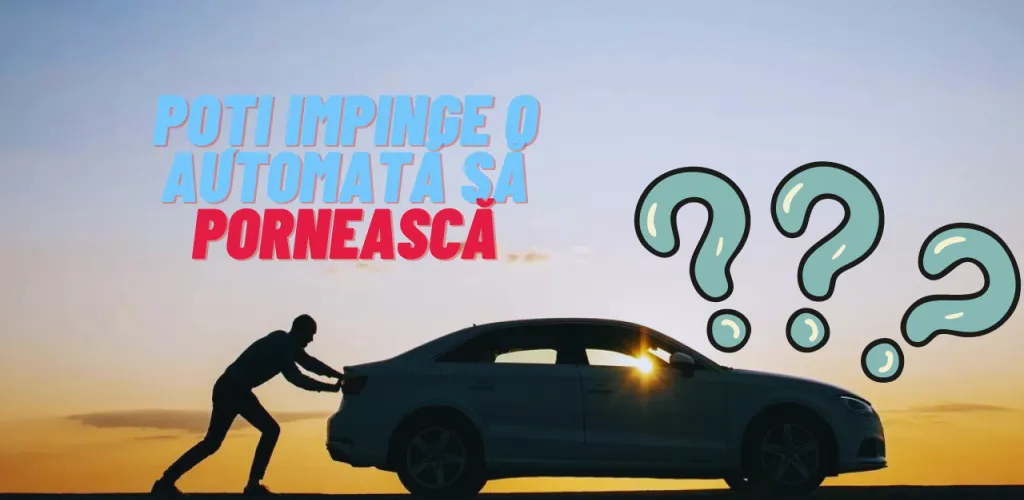
- Automatic transmissions can’t be push-started; hydraulics and engine-off state prevent torque transfer.
- Jump-start with another car’s 12V battery is the correct method.
- Portable jump starters offer autonomy, safety features, and convenience.
- Follow proper connection steps and safety precautions when jump-starting.
Automatic transmissions have become dominant in modern cars, delivering superior comfort in urban traffic with frequent stops and starts. Despite advanced technology, these vehicles can still run out of electrical power, leaving owners wondering if they can use the traditional push-start method.
Unfortunately, unlike manual transmissions, automatic cars cannot be push-started due to fundamental differences in the transmission system design.
Why Push-Starting Doesn’t Work on Automatic Cars
In a manual-transmission car, the driver directly controls the clutch via the pedal. When you push the vehicle to a sufficient speed, you can engage the second gear and release the clutch quickly, forcing the engine to turn over and start.
Crucial Technical Difference
- Cannot be manually controlled by the driver
- Remains in an “open” state when the engine is not running
- Prevents transfer of torque from the wheels to the engine
- Requires hydraulic pressure to operate, which is absent when the engine is off
The transmission oil pump is driven directly by the engine, and without this, the hydraulic system cannot function. Therefore, even if you manage to move the vehicle, the force will not be transmitted to the engine to start it.
Correct Solution: Jump-Starting with Cables
When the battery of an automatic car is discharged, the most practical method is jump-starting with the help of another battery. This process requires:
Equipment needed:
- Jump start cables
- A car with a functional 12V battery
- Protective gloves (recommended)
Steps for proper starting:
- Check voltage: Ensure both batteries have the same voltage (most are 12V)
- Position the vehicles: Park the cars close enough for the cables to reach
- Identify terminals: Locate the positive (+) and negative (-) terminals on both batteries
- Connect the cables:
- Connect the red clamp to the positive terminal of the discharged battery
- Connect the other end of the red clamp to the positive terminal of the good battery
- Connect the black clamp to the negative terminal of the good battery
- Connect the other end of the black clamp to a metal ground on the donor car (not to the negative terminal of the discharged battery)
Important safety measures:
- Do not let clamps touch each other or any other metal surfaces
- Do not rev the donor car’s engine – may damage the electrical system
- Wait 5-10 minutes before attempting to start
- Disconnect in the reverse order after starting
Portable Jump Starters – The Modern Solution
A superior alternative is portable jump starters, which offer multiple advantages:
Main benefits:
- Full autonomy – no need for another car
- Reverse polarity protection – reduces risk of damaging the electrical system
- Automatically optimized voltage – avoids overvoltage risks
- Portability – can be stored in the trunk
- Additional features – many models include a flashlight, USB port, compressor
Technical features to look for:
- Peak current: 400-600A for small engines, 800-1000A for larger ones
- Battery capacity: 10,000-20,000 mAh
- compatibility: ensure it supports your engine (gas up to 6L, diesel up to 3L)
Preventing Battery Problems
To avoid unpleasant situations, monitor these indicators:
Signs of a weak battery:
- Difficult starting in the morning
- Dim lights at idle
- Electrical systems operate intermittently
- The battery is over 3-4 years old
Maintenance tips:
- Check electrolyte level periodically (for maintenance batteries)
- Clean corrosion from terminals with baking soda
- Test the battery at a service center at least once a year
- Avoid complete discharge – start the engine weekly if you don’t drive regularly
Alternatives in Extreme Situations
If you don’t have access to cables or a portable jump starter:
Temporary solutions:
- Roadside assistance services – most auto insurance policies include this option
- Mobile apps for emergency auto services
- Battery replacement – if it’s very old or faulty
When to call a specialist:
- The battery won’t hold a charge after starting
- The charging system (alternator) has issues
- The vehicle shows other electrical symptoms
In conclusion, although cars with automatic transmissions cannot be push-started due to their specific technical construction, there are modern and effective solutions for dead batteries. Investing in a quality portable jump starter is the most practical approach for your safety and independence on the road.