- Battery life varies; manufacturers claim about 5 years, stores suggest 3 years.
- Secure the battery firmly in its tray to prevent vibration damage.
- Limit high-draw accessories to 2–3 at a time and turn off A/C when parking.
- Frequent short trips prevent recharging; combine destinations or take longer drives.
Your car battery is the heart of the vehicle’s electrical system and plays a crucial role in the car’s daily operation. When you turn the key, the battery sends the electrical current needed by the starting system to start the engine. Subsequently, the alternator takes over and provides the electrical energy required by all vehicle components while the engine is running.
If the alternator is faulty, the battery becomes the primary power source for the entire vehicle. The major problem is that the battery will discharge very quickly, potentially reaching complete depletion in a short time.
The Controversy Surrounding Car Battery Life
There is a notable discrepancy between car manufacturers and auto parts stores regarding battery life. Car manufacturers claim a car battery can operate efficiently for 5 years, while auto parts stores recommend replacement at 3 years. The truth lies somewhere in the middle; the actual lifespan depends on several factors, including usage conditions, climate, and proper maintenance.

5 Effective Strategies to Extend Your Battery Life
To maximize battery life, there are concrete measures any driver can implement without needing a specialized auto service. These simple practices can make the difference between a battery that lasts 3 years and one that operates efficiently for 5-6 years.
1. Properly securing the battery in its compartment
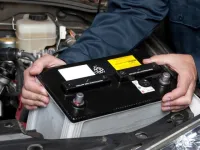
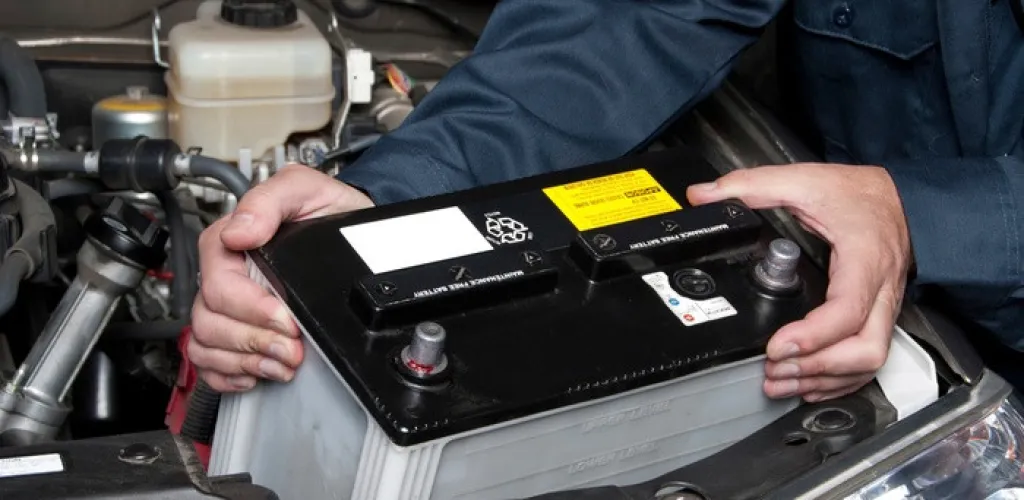
The battery must always be firmly secured in its dedicated tray before starting the vehicle. A battery that is not properly secured will vibrate and move during driving, which can cause:
- Deterioration of the internal plates through constant shocks and vibrations
- Short circuits in the electrical system
- Premature wear of charging system components
- Potential cracks in the battery case
2. Smart management of electrical accessories
Modern cars are equipped with numerous electronic devices: audio system, climate control, navigation systems, USB ports, phone chargers, and more. Using several accessories at once can overburden the battery, especially when the engine is not running.
Recommendations for energy saving:
- Avoid using more than 2-3 large-consuming accessories simultaneously
- Turn off the A/C when parking the vehicle
- Disconnect chargers and USB devices when not in use
- Use the audio system at moderate volume
3. Avoiding frequent short trips
Urban life characterized by short and frequent trips is one of the biggest enemies of the car battery. When you drive short distances (sub 10-15 km), the alternator does not have enough time to recharge the battery fully after the initial starting draw.
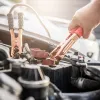
Negative effects of short trips:
- Progressive battery discharge
- Inability to fully recharge
- Decreased storage capacity over time
- Increased risk of sulfation of the plates
The optimal solution is to combine multiple destinations into one trip or periodically take longer drives to allow the battery to recharge fully.
4. Regular testing with specialized equipment
Using a professional auto battery tester is essential for monitoring the health of the battery. This device measures several critical parameters:
- Output voltage (normal 12.4-12.7V at rest)
- State of charge
- Internal resistance
- Cold-cranking amps (CCA) capacity
Testing should be performed every 3-6 months, and the results will tell you exactly when it is time to replace the battery before it leaves you stranded.

5. Maintenance and cleaning of terminals
Corrosion that forms on the battery terminals is a common problem that significantly affects the performance of the electrical system. Salt and oxide deposits create resistance that hinders efficient current transfer.

Step-by-step cleaning process:
- Preparation of the solution: Mix warm water with baking soda (one tablespoon per cup of water)
- Disconnecting the battery: Always start with the negative terminal (-), then the positive (+)
- Cleaning: Use an old toothbrush dipped in the solution to remove corrosion
- Rinsing: Use clean cold water to remove residues
- Drying: Wipe the terminals with a clean towel or lint-free cloth
- Protection: Apply a protective spray or petroleum jelly to prevent future corrosion
- Reconnect: Connect the positive terminal (+) first, then the negative (-)
Signs That Indicate Battery Replacement Is Needed
Even with proper maintenance, the car battery will eventually need replacement. Early warning signs can prevent inconvenient breakdowns:
- Difficult engine starting, especially in the morning
- Dashboard lights dimmer than usual
- Excessive corrosion on terminals, even after cleaning
- Swollen or cracked battery case
- Age over 4-5 years
- Tests show capacity below 70% of the original specification
Factors That Influence Battery Life
In addition to maintenance, several external factors influence the battery’s lifespan:
Temperature: Extreme cold reduces battery capacity, while excessive heat accelerates internal plate deterioration.
Battery quality: Investing in a higher-quality battery pays off with extended life.
Driving style: Frequent city driving with repeated starts and stops places more load on the battery.
Vehicle age: Older cars may have additional electrical consumers or less efficient alternators.
Consistently applying these strategies can significantly extend your car battery life, saving money and avoiding unpleasant roadside situations. A time investment in preventive maintenance will prove far more advantageous than the cost of premature replacement or a breakdown.