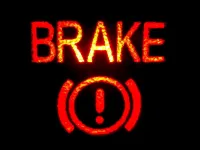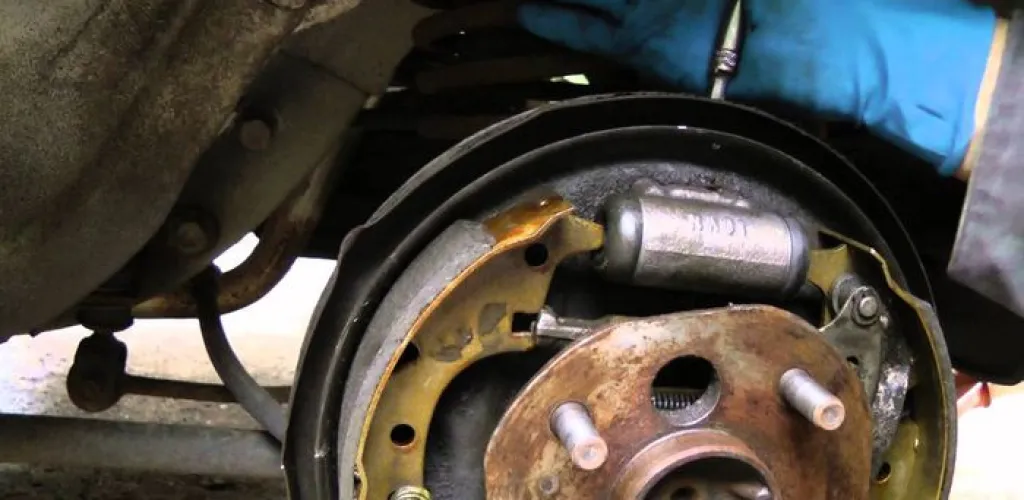
- Dashboard warning light signals brake system problems, possibly a faulty master cylinder.
- Visible brake fluid leaks occur under the hood or at the reservoir.
- Soft, spongy pedal or excessive travel indicates worn seals in the master cylinder.
- Brake fluid contamination lets dirt and moisture enter the hydraulic system.
The braking system of your car relies on a key component for proper operation: the master brake cylinder. When you press the brake pedal to stop the vehicle, this cylinder converts the mechanical force you apply into hydraulic pressure, sending brake fluid to all components of the braking system.
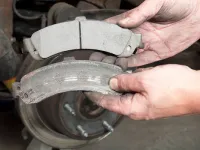
The master cylinder works by transferring brake fluid into the hydraulic circuit as you press the pedal. This mechanism is the same whether the vehicle uses disc brakes, drum brakes, or a combination of both. Without this vital component, no braking system can operate effectively.
When the master cylinder begins to wear, clear symptoms appear that signal the need for inspection or urgent replacement. Early recognition of these signs can prevent dangerous situations and save lives.
Dashboard warning light
The first and most evident symptom is the brake system warning light on the dashboard. This warning light indicates a general problem with the braking system, which can include the master cylinder as well.
When the sensors of the braking system detect a drop in brake fluid pressure, the main cause may be a damaged master cylinder. The drop in pressure triggers the warning light immediately, alerting you to a potentially serious problem.
It’s important never to ignore this warning, as it can also indicate other issues such as worn brake pads, leaks in the circuit, or ABS failures.
Visible brake fluid leaks
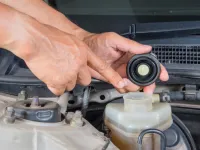
The master cylinder requires a constant level of brake fluid to generate the hydraulic pressure needed for effective braking. Leaks are one of the most common symptoms of a worn cylinder.
These leaks can occur in two main areas:
- Directly from the master cylinder, visible under the hood
- From the master cylinder reservoir, noticeable as puddles on the ground where you park the car
When the brake fluid level drops due to leaks, the stopping ability of the vehicle is dramatically reduced. In extreme cases, you can be left completely without brakes, which is a deadly danger.
Soft brake pedal
A brake pedal that feels soft, spongy, or sinks too far when pressed indicates serious problems with the master cylinder. This component contains rubber seals (simmerings) that keep brake fluid inside the system under pressure.
When these seals wear out or get damaged:
- Brake fluid leaks from the system
- Hydraulic pressure drops significantly
- The pedal becomes soft and requires more force to stop
- Pedal travel increases noticeably
This symptom is extremely dangerous, as it dramatically reduces braking efficiency and can lead to serious accidents, especially in emergency situations.

Brake fluid contamination
Worn seals not only allow brake fluid to leak but also permit contaminants to enter the system. Dirt, dust, moisture, and other particles can enter the hydraulic circuit, compromising the entire braking system.
Signs of brake fluid contamination include:
- The fluid color becomes dark (brown or black instead of yellow/clear)
- The consistency changes, becoming more viscous
- Visible particles appear in the reservoir
- Braking efficiency gradually decreases
Contaminated fluid cannot transmit hydraulic pressure as effectively, requiring a harder pedal application for the same braking force. This affects reaction time and stopping distance.
Brake pedal stuck to the floor
This is the most serious symptom and indicates a major fault in the master cylinder. After you lift your foot off the pedal, it does not return to its original position, staying stuck near the floor.
Causes may include:
- Severe internal seal damage
- Sticking piston in the master cylinder
- Return spring failure
- Severe contamination with particles that jam the mechanism
This situation poses an immediate danger and requires an immediate stop to driving and urgent replacement of the master cylinder. Continuing to drive in these conditions can lead to a complete loss of braking power.
Diagnosis and inspection of the master cylinder
To confirm whether the master cylinder is faulty, a qualified mechanic will perform:
- Checking the level and quality of brake fluid
- Visual inspection for leaks
- Hydraulic system pressure testing
- Checking the operation of the brake pedal
- Inspecting the seal and piston of the cylinder
Replacement and labor costs
Replacing a faulty master brake cylinder involves significant costs but is necessary for your safety:
Part cost: 400-700 RON for the master cylinder, depending on the make and model of the vehicle Labor: 200-400 RON, depending on the complexity of the job and the workshop rate Additional costs:
- New brake fluid: 30-50 RON
- System bleed: 50-100 RON
- Additional checks: 50-100 RON
Although the cost may seem high, delaying replacement can cause damage to other braking system components, significantly increasing the final expense. More importantly, the risk of an accident due to a defective braking system outweighs any financial consideration.
Preventing master cylinder problems
To extend the life of the master brake cylinder:
- Check the brake fluid level monthly
- Replace brake fluid per the manufacturer’s recommendations (every 2-3 years)
- Avoid hard and repeated braking
- Perform regular brake system inspections
- Never ignore early signs of wear
Early recognition of these signs and rapid intervention can prevent dangerous situations and save lives. The braking system is not a component to economize on—your safety and that of other road users depends on its proper function.
Photo sources: paruzzi.com, carthrottle.com