- Used EVs can save up to $1,000 annually.
- EVs have fewer moving parts, reducing maintenance and failures.
- Older EVs show degraded battery, shortening range and charging intervals.
- Batteries vary with climate; warranties are typically eight years or 160,000 km.
For many drivers, buying a used electric car is a leap into the unknown. While the popularity of electric vehicles has grown over the past decade, many people have no idea what to look for when evaluating a used electric car. This guide by automotive expert Matas Buzelis, from carVertical, explains how to buy a used electric vehicle hassle-free.
The used electric vehicle market is becoming increasingly attractive as fuel prices rise and EV technology matures. However, unlike conventional cars, electric vehicles have specific quirks that deserve special attention from buyers.
Pros and Cons of Used Electric Vehicles
Long-term savings
As fuel prices rise, buying an electric vehicle could save money in the long run. While electricity isn’t free, estimates show drivers can expect to save up to $1,000 per year by owning an EV. Yet, new EVs remain more expensive than conventional cars, which suggests that purchasing a used vehicle can be an attractive option.
Superior mechanical reliability
Surprisingly, used electric vehicles are often in better condition than traditional cars because they have fewer moving parts. An electric motor has roughly 20 moving parts, versus more than 2,000 in a conventional internal combustion engine. This mechanical simplicity translates into:
- Lower maintenance costs
- Fewer mechanical failures
- No oil changes
- Absence of an exhaust system that can corrode
- No clutch wear
There’s nothing worse than buying a used car and then having to invest a substantial amount of money in repairs.
The drawback of battery degradation
However, older EVs have a major drawback: poorer battery performance, which results in reduced range. As technologies improve, newer EVs can be driven farther than their predecessors. This means that those choosing a used car may need to recharge more often.
Battery condition and lifespan
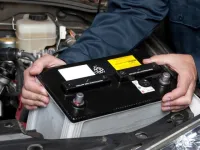
Whether it’s a gasoline car or an EV, the battery begins to degrade over time and there is little you can do about it. Temperature fluctuations, repeated charging cycles, and high mileage are among the factors that degrade battery health.
Warranties and wear thresholds
Most car manufacturers offer battery warranties for eight years or 160,000 km. If a vehicle has passed this threshold, its battery performance is likely weaker compared to a new car.
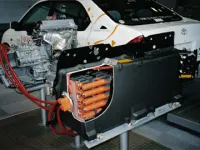
In general, EV batteries are designed to retain about 70-80% of their initial capacity after 8-10 years of normal use. This means a vehicle initially rated at 300 km of range will deliver about 210-240 km after this period.
Impact of climate on batteries
Battery health also depends on climate. Lithium-ion batteries used in EVs don’t perform well in heat. A used car from southern Spain might have reduced battery capacity, while a car from the Netherlands or Germany could offer much better battery performance for drivers.
The optimal operating temperature for lithium‑ion batteries is between 15-25°C. At extreme temperatures, either too high (above 35°C) or too low (below -10°C), range can drop significantly, even by 30-40% in very adverse conditions.
Checking battery health
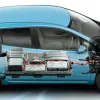
Auto experts recommend checking the EV battery health report before purchasing the car. Replacing the battery is costly, potentially €5,000-€15,000 depending on the model, so it’s best to ensure it isn’t worn out.
Most modern EVs include a Battery Management System (BMS) that can provide information on:
- State of Health (SOH) – overall battery health
- State of Charge (SOC) – current charge level
- Number of charge cycles performed
- Remaining capacity relative to nominal capacity
Charging infrastructure and practical considerations
Before buying an electric car, you need to consider the local charging infrastructure. Homeowners can charge in a garage or driveway, but those living in apartments have fewer options.
Public charging challenges
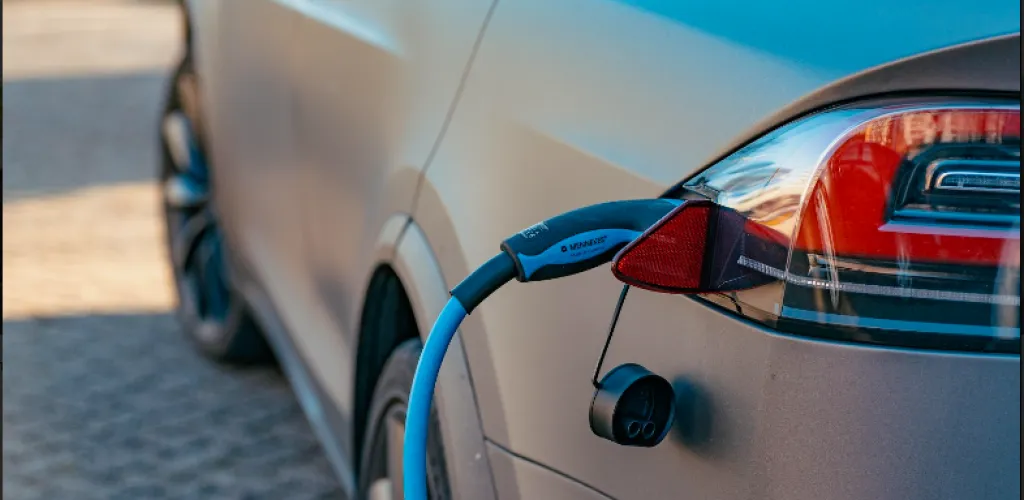
Most cities lack an adequate charging infrastructure, so finding a station can be a real headache. It only takes a few minutes to fill a tank, but charging an EV with a standard outlet can take up to a half day.
Approximate charging times:
- Standard outlet (2.3 kW): 24-36 hours for a full charge
- Home wall box (7-11 kW): 4-8 hours for a full charge
- Public AC station (22 kW): 2-4 hours for a full charge
- DC fast charging (50-150 kW): 20-45 minutes for 80%
Alternative solutions
Drivers who live or work far from charging stations can waste a lot of time waiting for their car to charge. Some companies already offer portable chargers for EVs, intended for owners who cannot charge at home. However, they only charge up to a certain level, and currently, these chargers are not a viable option for full charging.
Vehicle history checks
Every car is different. Two identical vehicles from the same model and year can be in very different conditions. Driving style, accidents, and mileage are among the factors buyers should consider.
The importance of transparency
Not all drivers are honest and willing to disclose everything about their car. If a vehicle has been involved in an accident, its value drops. Most people don’t want to invest in a car that has suffered a serious accident, as it may not be drivable safely and such an event could cause mechanical issues in the future.
In the case of electric vehicles, accidents can be even more problematic, as strong impacts can damage the battery pack, posing long‑term safety risks.
History check services
A few companies, such as carVertical, offer a simple way to investigate a car’s history before purchasing. After entering the car’s VIN, potential buyers can check whether the vehicle has been in an accident, ensure the odometer hasn’t been tampered with, verify whether the car is stolen, and review its registration history. Checking the VIN also gives buyers an edge during price negotiations.
Additional technical considerations when buying a used EV
Braking system
Brakes. When an EV is not accelerating, it uses regenerative braking to slow the vehicle, reducing brake wear. However, if the brakes are worn, this can indicate the car has been used heavily and should be thoroughly inspected.
Ironically, brakes on electric vehicles can develop problems due to underuse. Lack of regular use can lead to corrosion of discs and calipers, especially in humid climates.
Software and updates
Software updates. Electric vehicles, like any other system, receive periodic software updates. Developers fix known issues and introduce new features to improve car performance. However, owners often delay updates, so it’s not uncommon to find an EV running an old software version. This may suggest the owner did not take proper care of the car and you may face issues in the future.
Some software updates can even improve range or the efficiency of the battery management system, so a vehicle with up-to-date software may perform better than an identical one with older software.
Service and specialized maintenance
Vehicle maintenance. Not all mechanics are trained to work with EVs, so it can be difficult to find a trustworthy repair shop. EV experts recommend authorized dealers, as they use original parts and can offer warranties on their work. Before buying a used EV, drivers may want to verify that any repairs were performed at a reputable repair shop.
Working on a vehicle’s high‑voltage system requires special certifications and protective equipment. Lithium‑ion batteries operate at voltages of 400-800V, which pose serious risks if mishandled.
Limited options in the used market
Limited options. While thousands of gasoline and diesel models exist, the EV used market is a completely different story. The situation is gradually improving as manufacturers shift toward electric vehicles, and the number of models is growing. Nevertheless, the used EV market is far more limited, making it challenging to find a 5- to 10-year-old SUV or family car.
Conclusion and final recommendations
Like any used vehicle, there are several things to consider before purchasing an EV. However, if the car has a clean history and a battery in good working order, choosing an electric vehicle is a sensible idea. While many drivers remain skeptical about buying a used EV, there’s no need to worry.
Before buying, take the EV to a specialized mechanic for a thorough inspection. If everything checks out, it’s time to get used to the quiet driving experience and the potential for free parking!
To make the best decision, ensure that:
- Check the battery condition and the SOH report
- Review the complete vehicle history
- Assess available charging infrastructure
- Confirm that the battery warranty is still valid
- Check that all software updates are up to date
- Ensure service has been performed at authorized dealers