- Car batteries typically last 3-5 years, about 4 under normal use
- Frequent short trips, inactivity, many starts, or off-engine electrical use shorten life
- Heat accelerates aging; northern regions may reach five years, south about three
- Vibrations damage batteries; charging issues and full discharge shorten lifespan, AGM requires precise control
Car battery life is a constant concern for drivers, especially as the cold season approaches. The answer to this question isn’t simple, as several factors influence the performance and longevity of this essential component. Industry experts emphasize that understanding these factors can help extend operating life and avoid unexpected failures.
In general, car batteries have an average lifespan of 3-5 years, but this range can vary significantly depending on usage conditions, climate, and maintenance quality.
Average Lifespan: 4 years under normal conditions
When we talk about the lifespan of a car battery, we must understand that it deteriorates gradually, until it no longer has enough power to start the engine. This natural degradation process can last between 3 and 5 years, depending on how the vehicle is used.
Factors shortening lifespan:
- Frequent short trips
- Long periods of inactivity
- Frequent engine starts
- Excessive use of electrical accessories when the engine is off
Impact of climate on the car battery
Ambient temperature plays a crucial role in the battery’s operation and durability. Heat facilitates the chemical reactions the car battery uses to generate electrical current, but it also speeds up the internal aging process.
Significant Climatic Differences
In northern regions: a battery may last up to five years thanks to lower temperatures that slow degradation processes.
In southern regions: the lifespan drops to about three years due to consistently high temperatures.
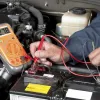
To combat the effects of heat, car battery manufacturers implement various solutions:
- Mounting the battery in a thermally insulated area
- Installing a protective shield above the battery
- Placing the car battery in an exterior space away from the engine area
Vibrations - an invisible enemy of the battery
Excessive vibrations can lead to cracking or breaking internal elements of a car battery, significantly affecting performance and lifespan. To reduce the effects of vibration, special mounting systems are used that:
- Secure the battery in its dedicated support
- Prevent slipping and uncontrolled movements
- Absorb shocks transmitted from the chassis
Note: The loss or damage of these mounting components can drastically shorten the battery’s life.
Charging system - vital for longevity
Although it is a rarer issue, malfunctioning of the charging system significantly reduces the car battery’s lifespan. Both insufficient charging and overcharging degrade the battery’s internal state.

Specific requirements for modern batteries
Some newer vehicle models using AGM batteries (Absorbent Glass Mat) require very efficient charging control for an optimal lifespan. These advanced batteries are more sensitive to charging parameters and require alternators with precise electronic regulation.
Important: A fully discharged battery will have a shorter life, even if it can be recharged and becomes functional again. Full discharge irreversibly affects the internal chemical structure.
Choosing the right model - crucial for performance
Essential technical parameters
- Type of car battery (conventional, AGM, EFB)
- Physical size and compatibility with the tray
- Terminal configuration (positive/negative)
- Cold Cranking Amps (CCA)
- Capacity in Ah (ampere-hours)
Types of batteries available
Lead-acid batteries: Most cars use this type, which withstands cycles of charging and discharging.
AGM batteries: Recommended for vehicles with Start-Stop systems and high electrical consumption.
Important: Installing an incorrect battery not only drastically shortens its life, but can also damage the vehicle’s electrical system through the occurrence of a short circuit.
Choosing the right supplier
When your car needs a new battery, selecting a trusted supplier is crucial to obtain a quality product:
Purchasing recommendations
- Opt for original equipment manufacturers (OEMs) from the factory
- Choose specialist auto battery shops, not supermarkets where products may sit on shelves for long
- Check the production date – a battery should not be older than 6 months from manufacture
- Request the warranty and keep the documents
Tips for maintaining performance
For maximizing the lifespan of the car battery:
- Regularly check the electrolyte level (for maintenance batteries)
- Clean terminals of oxidation and corrosion
- Avoid complete discharge of the battery
- Use smart chargers for maintenance
- Perform periodic tests at the auto service
Conclusion
The average car battery lifespan of about 4 years can be extended by understanding and controlling the factors that influence it. Climate, usage patterns, the quality of the charging system, and the correct model choice all play decisive roles in long-term performance. Investing in a high-quality battery and proper maintenance will ensure reliable vehicle operation for many years.
photo source: https://alotractari.ro/