- The battery warning means the charging system isn’t charging properly, not necessarily a bad battery.
- If you started with enough energy, you can drive about 30–60 minutes.
- Factors affecting duration include battery health, electrical load, capacity, and temperature.
- If the light remains on, alternator may fail; conserve energy and seek service.
When the battery warning light appears on the dashboard, many drivers panic and wonder if they can still drive the car. This warning does not necessarily mean the battery is completely defective, but that the charging system is not functioning properly. In most cases, you can continue driving for a limited period, but it’s essential to know exactly how long you have left and what steps to take.
Understanding the cause and planning ahead can prevent breakdowns and help you reach a safe destination. This guide explains what the light means, how long you can drive, and practical steps to conserve energy.
What the battery warning light means
The 12-volt battery
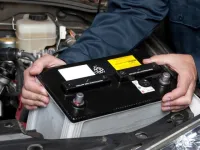
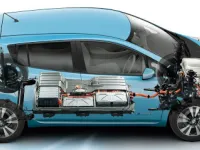
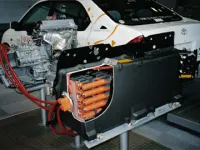
Every vehicle contains a 12-volt rechargeable battery that powers all electrical systems: the engine control unit, headlights, air conditioning, radio, power windows, and many others. The battery is vital for the car’s operation, and without it the vehicle cannot run.
The charging system
The charging system works through the alternator and voltage regulator, which recharges the battery and provides electric power to the vehicle in real time. A typical alternator can produce between 500 and 1,000 watts as needed, ensuring the battery stays charged and all electrical systems run optimally.
The battery warning light
The battery warning light — which looks like a small battery on the dashboard or may say “Battery” — lights up when a monitoring circuit detects that the voltage produced by the alternator is low. This means the battery is not charging properly, not necessarily that the battery itself is defective.
Diagnosing the problem
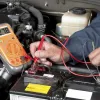
When the warning light appears, the car does not indicate that the battery must be replaced immediately. It is the driver’s responsibility to check both the battery and the alternator to determine the exact cause of the issue.
The light usually comes on when you start the car and may stay illuminated for a second or two, but it typically goes out quickly. If it remains on while the car is running, there is most likely a problem with the alternator. It may also indicate a minor issue with the battery itself or with electrical connections.
How long can you drive with the light on
If there was enough energy to start the car, you can drive the vehicle safely for as long as there is charge left in the battery. However, the operating time is limited — usually between 30 and 60 minutes maximum.
The exact duration depends on several factors:
- Battery condition: a new, healthy battery will last longer
- Electrical load: the number of active electrical systems
- Battery capacity: larger batteries store more energy
- Ambient temperature: cold weather reduces battery efficiency
When the battery is no longer being charged by the alternator, electrical systems will begin to fail one by one, starting with the least critical.
Strategies to conserve energy
To use the remaining energy in the battery as efficiently as possible and reach a safe location, follow these steps:
Stop non-essential systems:
- Radio and audio system
- Air conditioning or heating
- Heated seats
- Headlights (only if daytime and visibility allows)
- Power windows
- Phone chargers
Preserve critical systems:
- Signaling (for road safety)
- Headlights (if driving at night or in low visibility conditions)
- Fuel injection and ignition system
- Steering assist (on cars with electric power steering)
What to do when the light appears
Immediate measures:
- Don’t panic — the car will run for a while longer
- Reduce electrical consumption according to the list above
- Plan a route to the nearest workshop or home
- Avoid turning off the engine — you may not be able to restart
Short-term planning:
- Find a safe place to park if the car stops
- Prepare jump cables if you have them
- Contact an auto service for assistance
- Inform someone about your situation
Risks of driving with the light on
Continuing to drive with a failing charging system poses several risks:
- Unexpected engine shutdown in traffic
- Loss of brake assist (on some modern cars)
- Damage to electronic safety systems
- Inability to restart the engine
Common causes of the light
Alternator problems:
- Wear of carbon brushes
- Voltage regulator failure
- Belt slippage
- Bearing issues
Battery problems:
- Defective cells
- Terminal corrosion
- Loose connections
- Old age of the battery
Electrical circuit problems:
- Blown fuses
- Broken wires
- Corroded connections
- Sensor failures
Conclusion
The battery warning light does not mean the end of the world, but it requires immediate attention. With careful planning and energy conservation, you can drive safely for 30-60 minutes and reach a specialized workshop. The key is not to neglect this warning and to act promptly to avoid being stranded on the road.
Remember: once you stop the engine, there is a high probability it won’t restart, so plan your route carefully and reach your destination as quickly as possible.