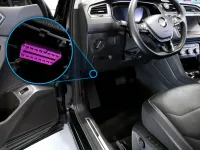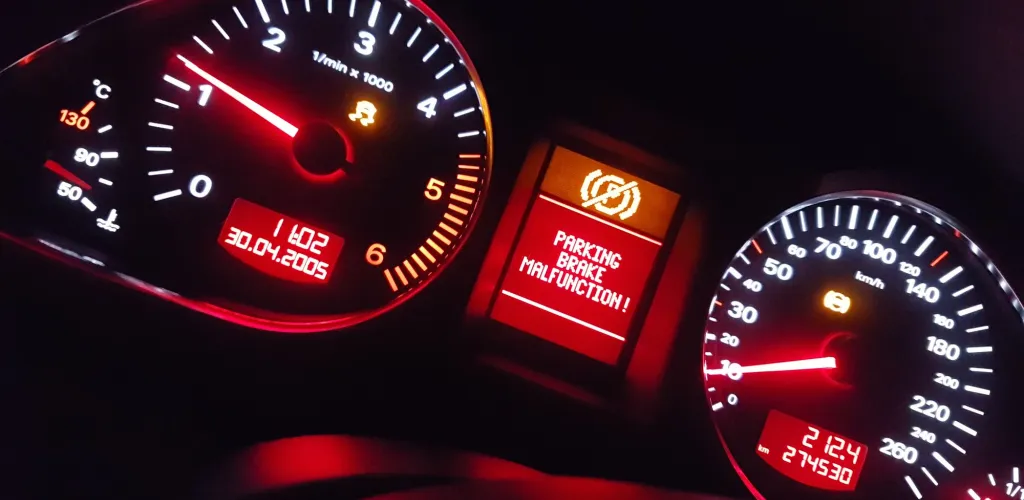
- Electrical problems are common in modern Audis, with sensors and MMI issues.
- Symptoms include faulty displays and blown fuses from electrical faults.
- Causes include wear, moisture, aftermarket accessories, and voltage fluctuations.
- Ignition and exhaust issues: plugs wear or carbon buildup; catalytic converters fail.
Audi ranks among the most admired premium brands in the automotive industry, known for build quality and advanced technology. However, like any automaker, Audi models exhibit certain recurring issues that potential owners should be aware of before purchase.
These common faults should not deter anyone from choosing an Audi; rather they provide a realistic view of maintenance costs and the problems they may encounter. Knowing these aspects enables proper preventive maintenance and helps avoid costly repairs.
Electrical system faults
Modern Audi models are equipped with complex electronic systems that control almost all vehicle functions. For this reason, electrical problems are among the most frequent categories of faults.
Common symptoms of electrical problems
- Defective sensors: Sensors may start transmitting erroneous information or stop functioning altogether
- Errors on the onboard computer: MMI (Multi Media Interface) may not communicate correctly with various modules
- Problems with the digital display: Screens may experience interruptions or operate intermittently
- Electrical lighting system faults: LEDs may burn out prematurely or operate improperly
- Fuses blowing frequently: Indicate a deeper electrical issue in the system
Causes and solutions
These issues usually arise from:
- Normal wear of electronic components
- Moisture ingress into the electrical system
- Overloading the system with aftermarket accessories
- Voltage fluctuations due to the battery or alternator
Experts recommend not ignoring these symptoms, as a minor electrical problem can quickly escalate into major and costly faults.
Ignition system problems
The ignition system is perhaps the most common source of trouble in Audi vehicles, especially in TSI and TFSI engines.
Components predisposed to failure
Spark plugs:
- Premature wear due to fuel quality
- Carbon buildup that affects the spark
- Need for replacement at intervals shorter than specifications
Ignition coils:
- Overheating due to placement in a compact engine
- Internal circuit failure
- Vibrations that affect internal connections
Symptoms of ignition problems
- Misfires at idle or during acceleration
- Increased fuel consumption
- Loss of power, especially under load
- Abnormal engine vibrations
- Check Engine light comes on
Prevention and maintenance
- Use high-quality fuel
- Replace spark plugs at the recommended intervals
- Periodic inspection of ignition coils
- Clean the fuel delivery system
Exhaust system faults
The vehicle’s exhaust system is one of the most complex and sensitive components, prone to costly faults.
Catalytic converter – the main problem
Causes of catalytic converter failure:
- Carbon and soot buildup due to short driving cycles
- Poor fuel quality
- Ignition system problems leading to incomplete combustion
- Failure of the automatic regeneration system
Repair costs: Replacing a catalytic converter on an Audi can cost between €1,500 and €4,000, depending on the model and system complexity.
EGR system (Exhaust Gas Recirculation)
This system recirculates a portion of exhaust gases back into the engine to reduce NOx emissions. Common problems include:
- Carbon buildup on the EGR valve
- Faulty temperature sensors
- Problems with the EGR cooler
Preventive measures
- Take long drives regularly to allow full regeneration
- Use fuel system cleaning additives
- Regular maintenance at authorized service centers
- Do not ignore dashboard warning lights
Engine oil leaks
Oil leaks are a chronic issue on many Audi models, especially those with higher mileage.
Common leak points
Cylinder head gasket:
- Wears due to repeated thermal cycles
- Replacement cost ranges from €300-€800
- Symptoms include oil spots under the vehicle and a burnt oil smell
Camshaft timing chain tensioner:
- A component subjected to high pressure and temperatures
- Gaskets degrade over time
- Repair requires partial engine removal
Other leak-prone points
- Oil pan gasket: Wears due to vibrations and temperatures
- Oil cooler: Aluminum cracks or gasket failure
- Oil pumps: Especially in models with auxiliary oil pumps
- Oil filters: Incorrect installation or faulty gaskets
Managing oil leaks
Regular checks:
- Check the oil level weekly
- Inspect your parking area for oil spots
- Monitor oil consumption per 1,000 km
Immediate measures:
- Upon detecting a leak, schedule a service inspection
- Do not let the oil level drop below minimum
- Always carry spare engine oil in the vehicle
Recommendations for Audi owners
Preventive maintenance
The key to minimizing these issues lies in:
- Strictly adhering to service intervals
- Using only genuine or high-quality equivalent parts
- Choosing service centers specialized in the Audi brand
- Investing in regular computerized diagnostics
Maintenance budget
Audi owners should budget annually:
- €1,000-€1,500 for routine maintenance
- €500-€1,000 for unexpected repairs
- Additional reserves for vehicles with over 100,000 km
Warning signs
Never ignore:
- Dashboard warning lights
- Unusual engine noises
- Changes in vehicle behavior
- Increased fuel or oil consumption
While these common issues may seem discouraging, Audi remains a trusted brand with durable vehicles. Knowledge of these aspects helps owners make informed decisions and keep their vehicle in optimal working condition for many years.