- Heating issues often come from coolant leaks, air in the system, or thermostat faults.
- Low refrigerant or leaks commonly cause weak or insufficient A/C cooling.
- Compressor/clutch defects, expansion valve, or evaporator problems reduce cooling efficiency.
- A worn belt can affect the A/C compressor and cause noisy operation.
The car’s climate control system consists of two distinct components that work together for your comfort: heating and air conditioning. Although they seem connected, they operate on different principles and can suffer specific faults that affect the overall performance of the vehicle’s climate control.
Understanding how these systems differ and the common issues they face can help you quickly pinpoint the source of a problem and save time and money at the workshop.
How the heating and air conditioning systems work
The car’s heating system uses the engine coolant to warm the air that is blown into the cabin. The hot coolant from the engine circulates through the heater core, and the blower passes air over this core, warming it before it enters the interior.
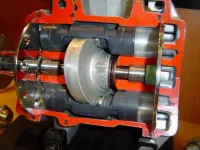
On the other hand, air conditioning uses a much more complex cycle based on a refrigeration cycle. It includes an engine-driven [compressor], low- and high-pressure lines, the refrigerant, and many other components such as the condenser, evaporator, and expansion valve.
Common problems of the heating system
Defecțiunile sistemului de încălzire sunt adesea legate de circulația lichidului de răcire sau de componentele care facilitează transferul de căldură. Principalele cauze includ:
Low coolant level
- Leaks in the cooling system
- Natural evaporation over time
- Water pump failures
Air in the cooling system
- Air impedes coolant circulation
- Can cause engine overheating
- Requires bleeding the air from the system
Defectarea radiatorului de încălzire
- Clogging with impurities
- Internal corrosion
- Tubing leaks
Defectarea termostatului
- Thermostat stuck closed or open
- Affects optimal operating temperature
- Can cause issues with the engine as well
Specific faults of the air conditioning system
The air conditioning system has its own vulnerabilities, most related to the components of the refrigeration cycle:
Low refrigerant level
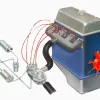
- Most common reason for inefficient A/C
- Blown air is cool but not cold enough
- Caused by leaks in the system or the need for recharge
Compressor problems
- Faulty compressor can no longer compress refrigerant
- Unusual noises when starting the A/C
- Complete lack of cold air
Defective compressor clutch
- The compressor does not engage with the system
- May cause metallic noises
- Requires replacement of the electromagnetic clutch
Defective expansion valve
- Regulates the refrigerant flow to the evaporator
- Can cause evaporator freezing
- Affects overall system efficiency
[evaporator] defect
- Responsible for absorbing heat from the cabin
- Clogging with impurities can reduce efficiency
- Leaks require replacement of the component
Accessory belt problem
A common issue that can affect both systems is an worn or stretched accessory belt, required to operate the air conditioning compressor. Signs of a faulty belt include:
- Screeching noises on acceleration
- Belt slipping when the A/C starts up
- Visible cracks on the belt surface
- Excessive or too much tension
Common components that affect both systems
Although the systems are different, there are shared components that, when faulty, can impair both systems:
Blower motor
- Responsible for circulating air in the cabin
- Failure means no air at all
- May produce unusual noises before failing
Blower switch
- Controls blower speed
- Failure makes it impossible to adjust intensity
- May work only on certain speeds
Various electrical problems
- Burnt relay can interrupt power
- Blown fuse stops system operation
- Short circuits can affect multiple components
- Wiring or connector problems
Diagnosing problems
For proper diagnosis, observe the following symptoms:
- For heating: cool air when it should be warm, cabin fogging, coolant smell
- For air conditioning: warm air instead of cold, noises at startup, unpleasant odor
- For both: lack of air, operation only on certain speeds, noises from the blower
Regular preventive maintenance and periodic checks of these systems can prevent many of these problems and ensure year-round comfort.