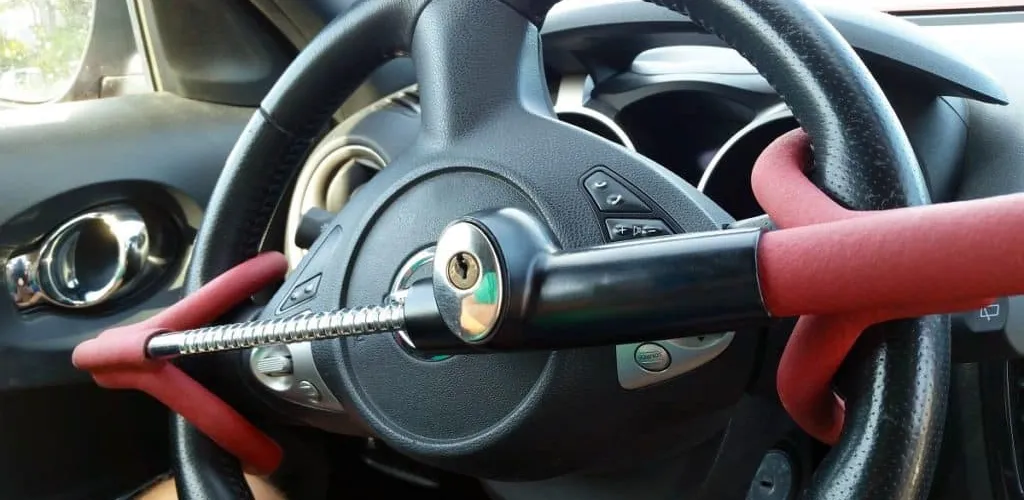
- Protecting your car can reduce insurance premiums and provide peace of mind.
- Steering wheel locks are affordable, easy to install, and act as deterrents.
- Hood locking systems permanently secure engine bay components with specialized keys.
- Wheel locks and tire variants offer high-visibility protection; electronic immobilization is a modern option.
Protecting your vehicle from theft is a constant concern for every car owner. An effective anti-theft device not only provides peace of mind but can also help reduce your insurance premium, making it a multi-benefit investment.
With an impressive range of products available on both the Romanian and international markets, from simple, affordable solutions to complex security systems, choosing the right device may seem overwhelming. Understanding the available types and your vehicle’s specific needs can make this process simpler and more effective.
Types of Car Anti-Theft Devices
The range of anti-theft devices covers a wide spectrum of functions and protection levels. Some focus on immobilizing the vehicle by preventing the engine from starting, while others offer real-time monitoring and tracking. There are also solutions aimed at protecting valuable components rather than the entire vehicle.
Steering Wheel Lock Devices
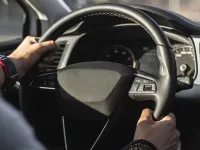
These systems are one of the simplest and most visible forms of protection. They mount directly on the steering wheel to prevent rotation, making it impossible to drive the vehicle without removing the device first.
The device is fixed to the inner side of the steering wheel, then extended and locked on both sides, preventing full rotation. The brand “The Club” is one of the best-known examples in this category. These devices act as both a physical barrier and a visual deterrent.
Advantages:
- Low cost (from 100-300 RON)
- Instant installation, no permanent modifications
- Visual deterrent effect for thieves
- Universal compatibility with most vehicles
Disadvantages:
- Can be removed with specialized tools
- Requires handling every time you use the car
Hood Locking Systems
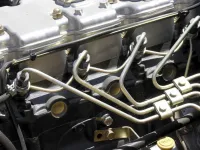
These devices protect valuable components in the engine bay — the battery, ECU, wiring, and other costly parts. Hood locking systems are similar to those used on high-performance sports cars.

The installation consists of special locks permanently mounted on the body and requires a special key to open the hood. Although they do not prevent theft of the entire vehicle, these systems deter theft of valuable electronic and mechanical components.
Ideal applications:
- Vehicles with high-performance engines
- Cars parked in high-risk areas
- Vehicles with expensive electronic systems
Wheel Locks
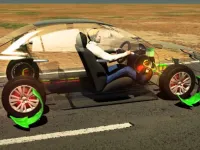
These devices mount directly on the [tire] for preventing the vehicle from moving. They are similar to those used by authorities for parking enforcement, but adapted for personal use.

There are several variants:
- Wheel locks – mounted on the rim
- Tire caps – fixed on the tire
- Cable systems – connect the wheel to the chassis
Key characteristics:

- Resistance to cutting and prying
- Complex locking mechanisms
- High visibility as a deterrent
Electronic Immobilization Systems
Most modern vehicles include factory immobilizers, but these can be supplemented with more advanced aftermarket solutions. The system activates automatically and prevents [starting the vehicle without the original key].

RFID technology uses a radio-frequency field to identify the original key. Without the corresponding RFID chip, the fuel system is blocked and the engine cannot start.
Advanced features:
- 128-bit encryption
- Bidirectional communication between key and ECU
- Rolling-code backup for added security
- Integration with existing alarm systems
KILL Switches
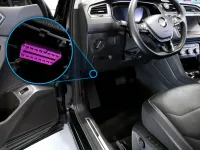
These devices interrupt essential electrical circuits of the vehicle, making it impossible to start the engine. They activate automatically when the car is locked and require a specific sequence to deactivate.
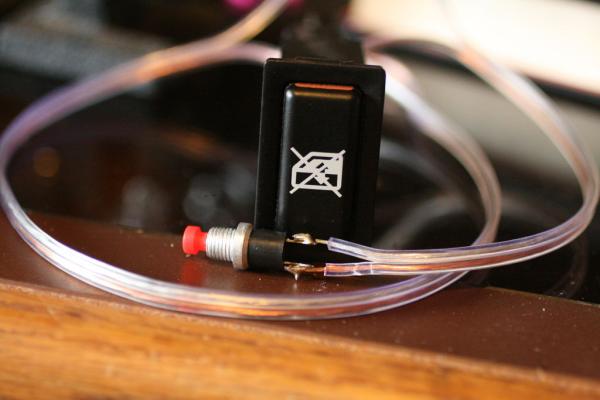
KILL kit includes a mini-switch (about 3 cm long and 3.5 cm wide), wiring, and detailed installation instructions. The switch can be hidden in various places — under a seat, in the glove box, or other discreet areas.
Technical advantages:
- Cuts power to the fuel pump
- Can block the ignition system
- Discreet installation with no visible modifications
- Low cost (100-500 RON for a full kit)
Car Alarm Systems
Modern alarms include multiple sensors and smart functionalities to detect different intrusion types. They activate upon detecting vibrations, door openings, or glass breakage.

Sensor types:
- Shock sensors – detect impacts and vibrations
- Perimeter sensors – monitor door openings
- Volumetric sensors – detect movement inside the cabin
- Tilt sensors – identify vehicle lifting
Modern features:
- Smartphone connectivity via Bluetooth or Wi‑Fi
- Real-time push notifications
- Video recording on trigger
- GPS system integration for location
GPS and Tracking Systems
Although they do not prevent theft, GPS systems enable rapid recovery of a stolen vehicle. These devices transmit real-time location and can include additional monitoring features.
Advanced features:
- Transmission over GSM/4G/5G networks
- Backup battery for autonomous operation
- Geofencing for alerts when leaving predefined zones
- Trip history and usage reports
How to Choose the Right Anti-Theft System
Choosing the optimal system depends on several interconnected factors that should be evaluated in the context of each owner’s specific needs.
Available Budget Analysis
The price range for anti-theft devices varies dramatically:
Economy category (RON 100-500):
- Steering wheel locks
- Simple alarms with remote controls
- Basic KILL switches
Mid range category (RON 500-2,000):
- Alarms with multiple sensors
- Simple GPS devices
- Professional wheel blocks
Premium category (RON 2,000-10,000+):
- Integrated systems with 24/7 monitoring
- GPS solutions with advanced features
- Immoblization systems with military-grade encryption
The general recommendation is to invest about 2-5% of the vehicle’s value in anti-theft systems.
Local Area Risk Assessment
Analyzing local crime statistics can guide you in choosing the required level of protection:
Low-risk areas:
- Safe residential neighborhoods
- Privately monitored parking
- Simple solutions may suffice
Medium-risk areas:
- Shopping centers
- Busy streets
- Combined systems recommended
High-risk areas:
- Industrial zones
- Unmonitored public parking
- Multiple and redundant systems necessary

Considering Vehicle Type
Different car categories present specific risks:
New and luxury vehicles:
- Attractive targets for full theft
- Require GPS and advanced immobilization systems
- Visible locks for deterrence
Popular vehicles (Dacia, VW, Skoda):
- High risk of parts theft
- Hood protection becomes a priority
- Alarms with volumetric sensors
Classic or rare vehicles:
- Targeted by unscrupulous collectors
- Discreet GPS systems are essential
- Storage in secure spaces
Installation and Usage Tips
Professional Installation vs. DIY
Systems suitable for self-installation:
- Steering wheel and wheel locks
- Simple alarms with plug-and-play connectors
- GPS devices with magnets
Systems that require professional installation:
- Immobilizers integrated with the ECU
- Complex kill switches
- Alarms with volumetric sensors
Maintenance of Anti-Theft Systems
Monthly checks:
- Test the alarm and remote functionality
- Check batteries for GPS devices
- Visual inspection of mechanical locks
Annual maintenance:
- Firmware updates for electronic systems
- Replace backup batteries
- Check electrical connections
Combining Multiple Systems
The most effective approach is to use several protection types to create multiple layers of security:
Visible layer (deterrence):
- Steering wheel or wheel lock
- Alarm warning stickers
- Parking lot lighting systems
Active layer (alarm):
- Shock and movement sensors
- Loud sirens and strobe lights
- Smartphone notifications
Recovery layer:
- GPS systems with continuous transmission
- Backup via multiple networks
- 24/7 professional monitoring
Efficient vehicle protection requires a comprehensive approach that considers both technical and behavioral aspects. The optimal combination of anti-theft devices depends on the specific characteristics of each case, but investing in security almost always proves worthwhile for peace of mind and reduced potential costs.
For [vehicles intended for sale], choose systems that can be easily removed or transferred, maximizing flexibility and resale value.
Photo sources: toyotaoforlando.com, medium.com, blog.unhaggle.com, quadratec.com, kickstarter.com, instructables.com, twelfthroundauto.com