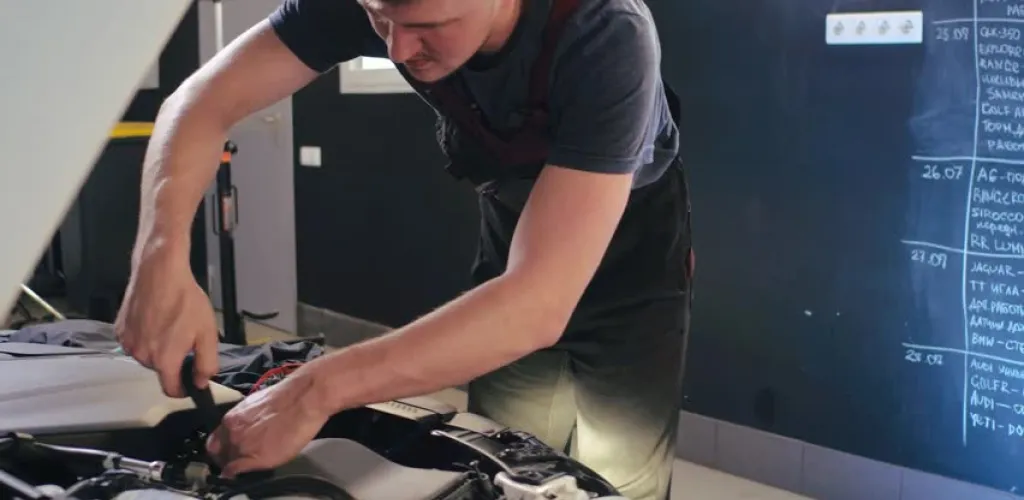
- Some faults require qualified mechanics to avoid worsening damage and higher costs
- Timing belt replacement is complex; authorized centers recommended every 100k km
- Cooling system repairs are risky; improper work can cause leaks, overheating, and sensor damage
- Transmission problems and engine diagnostics require specialized tools and ECU programming
Any car owner will face, sooner or later, various technical faults. While some minor problems can be addressed with DIY methods, there are certain faults that require the expertise of a qualified mechanic. Attempting to fix these issues yourself can not only worsen the problem but also lead to significantly higher repair costs.
If the situation is urgent, you can call a nearby service for emergency interventions or schedule a check-up at an authorized RAR auto service you know and trust. The approach may also depend on the vehicle’s age — while new cars rarely present major problems in the first years, used vehicles may need more attention in this regard.

Timing belt replacement
The timing belt is one of the engine’s vital components, responsible for the perfect synchronization between the crankshaft, camshaft, valves, and pistons. This part ensures that the valves open and close at the exact moment the piston is in the correct position.
Why it’s a complex repair
Replacing the timing belt requires partial engine disassembly, and it is an operation that demands:
- Specialized technical knowledge about timing moments
- Tools specific for locking and synchronization
- Experience in handling delicate components
Manufacturers recommend replacing this part at intervals of roughly 100,000 km or 5–7 years, depending on the engine type. A broken belt can cause catastrophic engine damage, which is why this timing belt replacement must be carried out only in authorized service centers.
Repairing the cooling system and radiator
The cooling system of the engine is essential for maintaining the optimal operating temperature. The radiator, water pump, thermostat, and cooling fan work together to dissipate excess heat.
Complexity of the cooling system
A modern cooling system includes:
- Multiple temperature sensors
- Complex coolant circuits
- Electronic fan control systems
- Pressure-bearing components that can be hazardous
Unauthorized interventions can lead to:
- Hot liquid leaks
- Damage to expensive sensors
- Overheating engine
- Failures of the water pump
Repairing the transmission system
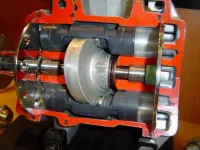
The transmission system, whether manual, automatic, or CVT, is one of the most complex and costly components of a vehicle.
Types of transmission problems
Manual gearboxes:
- Clutch wear
- Synchronizer issues
- Gearbox oil leaks
Automatic gearboxes:
- Torque converter faults
- Hydraulic system problems
- Wear of friction clutch packs
CVT gearboxes:
- Belt or chain wear
- Electronic control system problems
Repairing these systems requires:

- Specialized diagnostic tools
- Knowledge of hydraulic and electronic systems
- Experience in ECU calibration and programming
Diagnosing engine problems
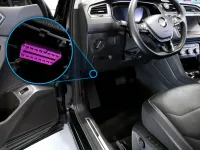
Modern engines are controlled by dozens of sensors and ECUs (electronic control units) that continuously monitor operating parameters.

The complexity of modern diagnostics
A correct diagnosis requires:
- Professional scanners capable of accessing all modules
- Interpreting error codes in the context of symptoms
- Component testing with specialized equipment
- Knowledge of interconnections between different systems
Common causes of warning lights illumination
- Fuel injection system problems
- Oxygen sensor faults
- Issues with the EGR system
- Catalytic converter problems
- Temperature sensor faults
A misdiagnosis can lead to replacing functioning parts, while the real problem remains unresolved.
Repairing and replacing the windshield
Although it may seem simple, repairing or replacing a windshield involves important technical and safety considerations.
Technical considerations
For repairs:
- Accurate assessment of crack extent
- Use of specialized resins
- Adhering to temperature and humidity conditions
For replacements:
- Calibration of ADAS systems (cameras and sensors)
- Proper application of structural adhesive
- Respecting curing times
Risks of improper execution
- Compromised structural integrity
- Airbag malfunctions
- Issues with driving assistance systems
- Water leaks
Other issues requiring specialized intervention
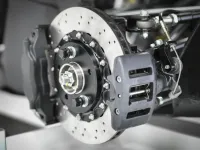
ABS/ESP braking system
These critical safety systems require:
- Calibration with dedicated equipment
- Understanding control algorithms
- Testing under specific conditions
Air conditioning system
Repairs involve:
- Handling refrigerant (license required)
- System pressure testing
- Diagnosing electronic components
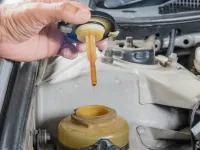
Power steering system
Common problems:
- Hydraulic pump faults
- Leaks in the hydraulic system
- Issues with the electronic control unit
Consequences of unsuccessful DIY repairs
Additional costs
A faulty repair can lead to:
- Damage to other components
- Warranty voided
- Remediation costs higher than the initial repair
Safety aspects
Improper repairs can compromise:
- Road safety
- Functioning of passive safety systems
- Vehicle handling and control
Legal aspects
In some cases, unauthorized repairs may have implications:
- Issues with vehicle inspection
- Insurance invalidation
- Civil liability in case of an accident
When to choose an authorized service
Selection criteria
- Valid RAR authorization
- Experience with your make and model
- Modern diagnostic equipment
- Warranty on repairs
- Positive customer reviews
Benefits of working with professionals
- Correct and complete diagnostics
- Use of original or equivalent parts
- Warranty on labor and parts
- Compliance with manufacturer procedures
- Maintaining the vehicle’s service history
In conclusion, while a passion for mechanics and the desire to save money are understandable, some auto repairs require the expertise of professionals. Attempting to solve these complex problems on your own can lead to much more costly consequences than starting with a specialized service. Your safety and that of other road users, as well as the vehicle’s integrity, deserve the investment in a professional repair.
Photo sources: rffisherauto.com, youtube.com, shutterstock.com