- A/C is a closed loop that slowly loses freon through micro-leaks.
- Low cooling (air around 20°C) signals possible freon loss or system issues.
- Leaks may show as oily patches under the vehicle near hoses, compressor, or condenser.
- No compressor engagement may indicate low freon, clutch, fuse, sensor, or relay fault.
The car air conditioning system is essential for comfort behind the wheel, especially during scorching periods when high temperatures can turn driving into a strenuous experience. While many drivers neglect using the climate control in winter, running the A/C system periodically throughout the year is crucial to keeping it in optimal working condition. Unfortunately, when summer arrives and temperatures rise, many motorists discover that their climate control system no longer performs at its best—or not at all.
How the car air conditioning system works
The car air conditioning system is built as a closed loop that operates on the principle of circulating a refrigerant—the freon. In theory, this system should maintain the optimal amount of freon for the vehicle’s life without needing top-ups. The reality, however, is different.
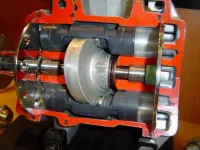
Although designed to be sealed, the A/C system naturally loses a small amount of freon over time through micro-leaks in hoses and joints. This natural loss is normal and, usually, does not significantly affect short-term performance. Refrigerant circulates under pressure through the system’s components — the compressor, condenser, evaporator, and dryer — actively participating in cooling the air that enters the cabin.
Signs that the air conditioning system needs attention
The air is no longer cool enough
The most evident symptom of a faulty or low freon A/C system is the inability to cool the air effectively. If you turn the climate control to maximum and notice that the air entering the cabin is around 20°C or warmer (instead of the typical 5–10°C), it is a clear sign that something is not functioning correctly.
When the freon level drops below the optimal threshold, the system’s ability to cool outside air before it enters the cabin is severely affected. The less refrigerant there is, the higher the temperature of the blown air will be, potentially reaching the point where the system blows only ambient-temperature air.
Visible refrigerant leaks
Freon is a high-pressure liquid that, if there is a leak, can evaporate quickly or leave visible traces under the vehicle. If you notice oily liquid patches under the car in the engine area after using the air conditioning, it is a clear indicator of a leak in the system. These leaks can occur at:
- Hoses and fittings
- The compressor
- The condenser (AC radiator)
- The evaporator
- The dryer
The compressor does not engage
When you press the A/C button, you should hear a distinct “click” and feel a slight drop in engine RPM as the compressor engages. If this sound is missing and you don’t notice any change in engine behavior, there is a problem in the system. Possible causes include:
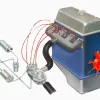
- Insufficient freon level (low-pressure switch prevents clutch engagement to protect the compressor)
- Electrical fault in the electromagnetic clutch
- Blown fuse in the power circuit
- Faulty pressure sensor
- Faulty climate relay
When and how to recharge the freon system
Frequency recommended by manufacturers
Most automakers recommend a check and, if necessary, a recharge of the climate system every 2 years. This is a preventive measure that accounts for natural refrigerant loss and the gradual degradation of the compressor oil over time. However, the exact interval can vary depending on:
- Vehicle model and brand
- Type of A/C system installed
- Driving conditions
- System age
Important: Always consult the vehicle’s owner manual for the manufacturer’s specific recommendations.
DIY recharge vs. professional service
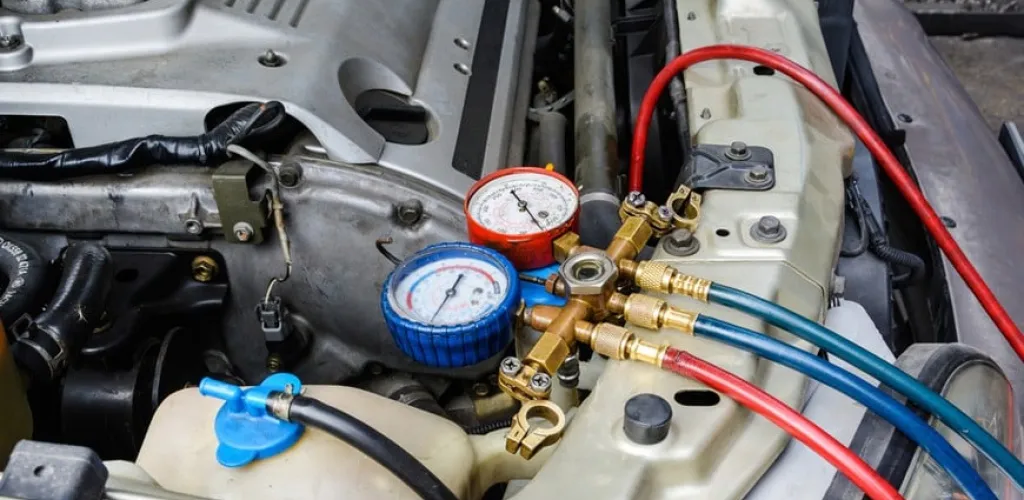
There are DIY (Do-It-Yourself) recharge kits on the market that contain refrigerant in pressurized cans, with a manometer and connection hose. These kits are suitable for minor top-ups but have important limitations:
Advantages of DIY recharge:
- Lower cost for small freon quantities
- Convenient for minor emergency top-ups
- Can be done at home without scheduling a service
Disadvantages of DIY recharge:
- You cannot evacuate the system completely and verify the exact amount
- Risk of overfilling, which can damage the compressor
- You do not identify the cause of the refrigerant loss
- You cannot replace the compressor oil
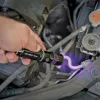
- You cannot perform leak testing with specialized equipment
The professional recharge process
A specialized auto service will perform the following steps:
- Check the current refrigerant level with diagnostic equipment
- Fully evacuate the system using a professional E/AC station
- Test for leaks via vacuum or tracer gas
- Replace the desiccant/dryer (if necessary)
- Pull a vacuum on the system to remove moisture and air
- Recharge with the exact amount of freon specified by the manufacturer
- Add compressor oil if needed
- Test operation and verify temperatures
Safety and environmental protection
Freon used in modern automotive systems (R134a or R1234yf) is a greenhouse gas with a significant environmental impact. For this reason, handling it is strictly regulated by law:
- Never vent freon directly into the atmosphere — it is illegal and harmful to the environment
- Used refrigerant must be recovered with specialized equipment and recycled properly
- Empty containers should not be disposed of with household waste
- For major interventions, always rely on authorized service centers that have recovery equipment
Preventing problems with the air conditioning system
To keep the A/C system in optimal condition and avoid unexpected costs:
- Use the climate control in winter as well, at least 10–15 minutes every 2 weeks to keep lubricated seals and moving components
- Periodically clean the condenser (AC radiator) of debris, insects, and leaves
- Replace the cabin air filter at recommended intervals (usually annually)
- Check the cooling fans for proper operation
- Watch for odors: a foul smell when turning on A/C can indicate mold in the evaporator
- Schedule preventive service every 2 years, even if the system seems to be functioning normally
Conclusion
There is no universal interval applicable to all vehicles for freon recharge, but the general recommendation is to have a check every 2 years, according to most manufacturers’ guidelines. However, if you notice signs of declining performance (less cooling, longer cooling times, unusual noises), do not delay a visit to a specialized service.
Timely intervention can prevent major and costly failures, such as compressor seizure due to lubrication shortages or damage to components caused by incorrect system pressures. Investing in proper preventive maintenance will ensure summer comfort and extend the life of the air conditioning system.