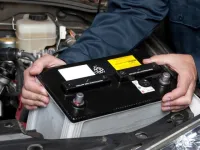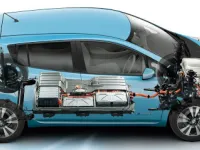
- The battery starts the engine and powers electrical systems until the alternator takes over.
- Typical car battery lasts 4-5 years; regular checks extend life and prevent breakdowns.
- Extreme heat accelerates degradation, winter reduces capacity temporarily, causing failures.
- Inactivity, short trips, and poor maintenance prevent full recharge and raise risk.
The car battery is the essential component that powers the vehicle’s electrical system. While it may seem simple, its role is critical—from starting the engine to powering modern electronics. A faulty or worn battery can turn a routine trip into a frustrating experience, and in severe cases, can leave the vehicle completely dead. Understanding how to check and maintain the battery is essential for every car owner.
The average lifespan of a car battery is 4-5 years, but this can vary significantly based on usage and maintenance. Regular battery health checks not only extend its life but also prevent inconvenient breakdowns.
Role of the Battery in the Car’s Electrical System
The car battery performs several critical functions within the vehicle. The primary and most well-known function is supplying power to the starter motor during engine start. When you turn the key or press the start button, the battery provides a high current—often over 300 A—to the starter to spin the engine until it starts. This raises the engine speed to about 600-700 rpm, the level at which the engine can run on its own.
In addition to starting the engine, the battery powers all electrical systems when the engine is off: interior lights, the audio system, onboard computers, and other accessories. After the engine starts, the alternator takes over powering the electrical systems and simultaneously recharges the battery, keeping it at full capacity.
In modern cars, with complex electronic systems—from engine management to safety and assistance features—a battery in good condition is essential for the proper operation of all these systems.
Common Causes of Battery Failures
Understanding the factors that accelerate battery wear helps you prevent problems before they occur:
Extreme temperatures, especially heat Extreme heat is the number one enemy of the battery. At high temperatures, chemical reactions inside the battery accelerate, leading to premature degradation of lead plates and evaporation of electrolytes. In winter, cold can temporarily reduce battery capacity, but a healthy battery will operate normally. Problems occur when a battery already weakened by summer encounters winter cold.
Inactivity and short trips The battery recharges through the alternator while the engine is running. Very short trips or long periods of inactivity do not allow the alternator to fully recharge the battery. The alternator typically needs about 20-30 minutes of operation to compensate the energy used at start and to bring the battery back to full charge.
Lack of maintenance Corrosion that accumulates on terminals reduces electrical contact and can cause starting problems. For maintenance-type batteries, neglecting the electrolyte level check can expose lead plates and cause permanent damage.
Electrical system problems A faulty alternator will not recharge the battery properly, and loads that remain connected (forgotten lights, systems not entering standby) can discharge the battery completely.
Human error Leaving electrical loads connected when the car is off is one of the most common causes of battery discharge. Even seemingly minor systems can drain the battery completely within days.
Signs That the Battery Is Failing
The car constantly communicates the state of its components. Recognizing these signs early can prevent more serious failures:
The engine starts hard If the starter turns more slowly than usual or you hear a “tac-tac” sound instead of normal rotation, the battery likely isn’t delivering enough current. A healthy engine starts almost instantly—if it takes more than 2 seconds, inspect the battery.
Headlights are dimmer A simple test: turn on the headlights with the engine off. If they are dim or the brightness drops noticeably when attempting to start the engine, the battery is weak.
Visible corrosion on the terminals White-green buildup on the battery terminals indicates abnormal chemical processes and weak electrical contacts. Corrosion should be removed promptly.
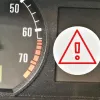
Battery warning light on the dashboard If the battery symbol lights up on the dash while driving, there is a problem in the charging system—either the battery or the alternator.
The car stalls frequently If the car starts hard or suddenly dies, the battery or alternator could be responsible.
Steps to Check the Battery
Visual inspection of the terminals
This is the simplest check and should be done monthly. Remove the protective cover from the battery (if present) and inspect the terminals—the two metal connections where cables attach.
Look for:
- White-green corrosion
- Loose or moving terminals
- Cracks in the battery case
- Fluid leaks
Corrosion can be removed with a solution of baking soda and water (1 tablespoon per 250 ml water), applied with an old toothbrush. Disconnect the terminals first—start with the negative (black), then the positive (red). After cleaning, reconnect in the reverse order and apply dielectric grease to the terminals for protection.
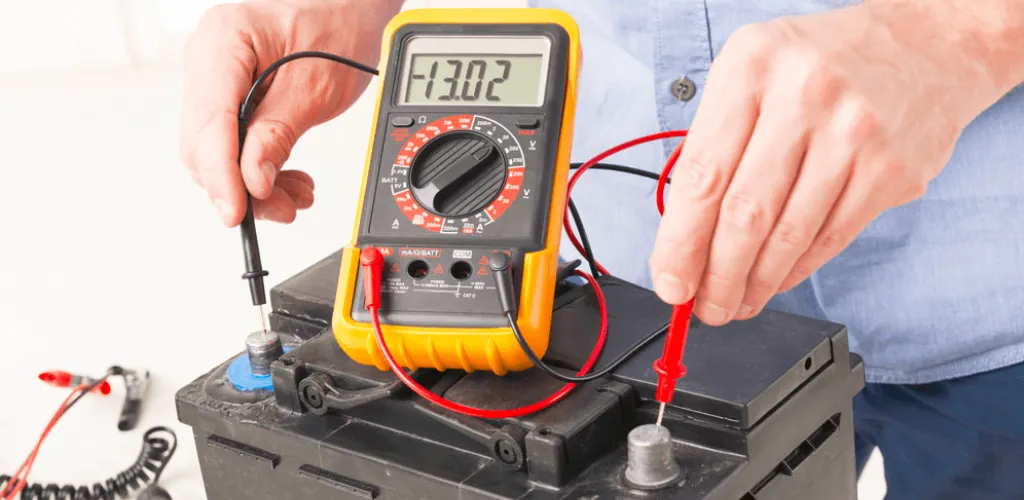
Testing the voltage with a voltmeter
A digital voltmeter (available at any auto shop, 30-50 EUR) is the essential diagnostic tool for the battery.
Test with the engine off:
- Connect the red lead of the voltmeter to the positive terminal of the battery
- Connect the black lead to the negative terminal
- Read the shown value
Interpretation:
- 12.6-13.2 V: fully charged, excellent condition
- 12.4-12.6 V: good battery, about 75% charged
- 12.2-12.4 V: weak battery, about 50% charged, needs recharge
- Below 12 V: discharged battery, requires immediate recharge or replacement
Test with the engine running: With the engine idling, the voltage should be between 13.8-14.4 V. This indicates the alternator is functioning correctly and recharging the battery. If the voltage remains below 13.5 V, the alternator may have issues.
Checking the electrolyte level
This step applies only to maintenance batteries with removable caps on top. Modern “maintenance-free” batteries are sealed and do not require this check.
For maintenance batteries:
- Remove the caps (usually 6)
- Check the liquid level in each cell
- The fluid should cover the lead plates completely
- If the level is low, fill only with distilled water—not tap water
- Optimal level is 5-10 mm above the plates
If the liquid continually drops, there is either an overcharging problem (faulty alternator) or the battery is nearing the end of its life.
Cranking speed test
This simple test provides valuable information about the battery’s condition:
- Turn off all electrical loads (radio, lights, A/C)
- Turn the key or press start
- Observe the starter’s behavior
A healthy battery should allow the engine to start almost instantly, in under one second. If the starter spins slowly or the process takes more than 2 seconds, the battery is weak. A clicking or tac-tac sound without engine rotation indicates a deeply discharged or faulty battery.
Professional charging test
The most accurate evaluation is a professional test, typically available free at most auto service shops and parts stores. This test uses specialized equipment that:
- Measures the battery’s actual capacity (CCA – Cold Cranking Amps)
- Tests the ability to hold a charge
- Checks the internal condition of the cells
- Evaluates the charging system (alternator)
The test takes 2-3 minutes and provides a detailed report. It is recommended to perform this test annually or whenever you notice signs of battery weakening.
Preventive Maintenance for the Battery
To maximize battery life:
Regular cleaning: Clean the terminals every 3-6 months to prevent corrosion buildup.
Periodic checks: Test voltage monthly, especially before the cold season.
Regular use: Drive the car at least 20-30 minutes weekly to keep the battery charged.
Thermal protection: If possible, park in the shade in summer and under cover in winter.
Disconnect during inactivity: If the car will be stationary for more than 2 weeks, disconnect the negative terminal or use a maintenance charger.
When to Replace the Battery
Even with proper maintenance, batteries have a limited lifespan. Replace the battery when:
- It is over 4-5 years old
- The professional test shows capacity below 70% of specs
- It requires frequent charging
- It shows cracks or leaks
- The voltage consistently drops below 12.4 V
A new, quality battery, while an investment of 200-600 RON depending on type and capacity, is far cheaper than the consequences of a failure—from calling the tow service to potential electrical system damage.
Maintaining the car battery correctly does not require advanced technical knowledge, only regular checks and attention to the signals the car gives. By following the steps described in this guide, you can identify problems early and avoid inconvenient situations caused by a faulty battery.