- P0555 indicates fault in brake booster pressure sensor circuit.
- The issue can seriously affect braking performance and road safety.
- Symptoms include stiff brake pedal, warning light, and reduced braking.
- Causes include vacuum leaks, damaged sensor/booster, and wiring or ground issues.
Introductory note: P0555 is a brake booster pressure sensor circuit fault that can seriously affect braking performance. Understanding what triggers this code helps you diagnose safely and plan repairs without compromising road safety.
OBD2 code P0555 indicates a fault in the brake booster pressure sensor circuit, a condition that can seriously affect vehicle safety. The code appears when the PCM (Powertrain Control Module) detects an anomaly in the sensor that monitors pressure in the brake boost system.
The issue is particularly critical because it directly affects the vehicle’s braking capability and can put the driver and other road users at risk.
What the P0555 Code Means
The PCM has detected a fault in the brake booster pressure sensor circuit. This sensor monitors the pressure in the brake booster system and transmits data in real time to the control unit.
The brake booster is an essential system that reduces the effort required to actuate the brake pedal, using engine vacuum or hydraulic pressure to amplify the force applied by the driver.
Causes for P0555 Activation
Parameter setting conditions
- The P0555 code triggers when the PCM does not receive a proper voltage signal from the brake booster pressure sensor. This signal should be proportional to the brake boost pressure during braking.
- The fault typically occurs in these situations:
- When the brake pedal is pressed
- When the boost pressure in the booster drops below normal values
- When there is a fault in the sensor’s electrical circuit
Normal system operation
Under normal conditions, the brake booster pressure sensor provides the PCM with a signal that reflects the pressure required to bring the vehicle to a stop. The PCM uses this data to monitor braking efficiency at different speeds.
Symptoms of P0555
Common manifestations:
- Brake pedal feel is stiff: The effort required to brake becomes noticeably higher
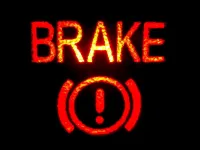
- Brake warning light illuminated: A warning indicator lights up on the dash
- Fault code stored: The code remains stored in the ECU until the issue is resolved
- Braking performance reduced: Stopping distance may increase
Rare cases:
- In very rare situations, symptoms may be absent at the onset of the fault, appearing gradually as the issue worsens.
Common Causes of P0555
1. Engine vacuum problems
- Engine vacuum leaks: Cracks in the intake manifold or vacuum hoses
- Leaks in the brake booster vacuum circuit: Damage to the main vacuum line
- One-way valve defective: Does not retain vacuum in the brake booster when the engine is off
2. Main component failures
- Pressure sensor damaged: Internal wear or contamination
- Brake booster defective: Damaged diaphragm or worn components
- Master cylinder worn: Internal brake fluid leaks
3. Electrical problems
- Corroded or damaged connectors: Poor contact in the sensor circuit
- Wiring short or open: Physical damage to the wires
- Bad ground: Poor contact with the vehicle chassis
4. Hydraulic systems (on vehicles with hydraulic brake booster)
- Power steering pump defective: It does not provide the required pressure
- Low hydraulic fluid level: Leaks in the hydraulic system
- Clogged hydraulic fluid filter: Restricts fluid flow
Differential Diagnosis and Common Mistakes
Common misdiagnoses:
- Many technicians replace the entire brake booster when this code appears, although often the issue can be resolved by repairing a simple vacuum leak or replacing the pressure sensor.
Related problems that can mislead:
- ABS system faults that affect the brake booster circuit
- Issues with auxiliary vacuum pump (on modern diesel engines)
- Electromagnetic interference in the sensor circuit
Detailed Diagnostic Procedure
Equipment needed:
- Professional OBD2 scanner
- High-precision digital multimeter
- Manual vacuum pump with manometer
- Set of adapters for testing pneumatic circuits
Step 1: Preliminary Visual Inspection
Check connections:
- Inspect all wires and connectors for signs of damage
- Look for corrosion, oxidation, or discoloration of contacts
- Verify secure mounting of connectors
- Inspect fuses in the braking system circuit
Inspect the vacuum system:
- Check the main vacuum hose for cracks or excessive bending
- Verify the non-return valve operates correctly
- Inspect the brake booster for signs of external leaks
Step 2: Reading and interpreting codes
Connect the scanner to the diagnostic port and:
- Record all stored codes (active and historic)
- Note the conditions under which the code appeared (freeze frame data)
- Check real-time data availability for the brake pressure sensor
- Clear the codes and test the vehicle for recurrence
Step 3: Functional system testing
Brake booster vacuum test:
- Turn off the engine and press the brake pedal 5–6 times to evacuate the vacuum
- With the pedal held, start the engine
- The pedal should yield slightly and move away from the foot
- If this does not happen, the vacuum system is defective
Brake pressure sensor testing:
- Measure the supply voltage (should be 5V ± 0.1V)
- Check ground continuity
- Monitor the output signal during braking
- Compare values with the manufacturer specifications
Step 4: Advanced diagnosis
For hydraulic brake booster systems:
- Check the power steering pump pressure (minimum 70–80 bar)
- Check the hydraulic fluid level and condition
- Test the operation of pressure distribution valves
For systems with auxiliary vacuum pump:
- Check pump operation using the scanner
- Measure the vacuum pressure generated (minimum 500–600 mbar)
- Check relays and related fuses
Repair Procedure
1. Replacing the brake pressure sensor
Steps:
- Disconnect the battery for safety
- Locate the sensor on the brake booster or vacuum line
- Disconnect the electrical connector and mounting screws
- Replace with an OEM or quality equivalent sensor
- Reconnect and verify proper mounting
2. Repairing vacuum leaks
Identifying critical points:
- Hose junction with the intake manifold
- Connection to the brake booster
- Non-return valve and its connections
- Cracks in the main hose
Repair:
- Replace damaged hoses with original OEM parts
- Use new clamps for all connections
- Apply specialized sealant paste at metal joints
3. Brake booster refurbishment
In severe cases, it may be necessary to:
- Replace the inner diaphragm
- Clean and lubricate moving components
- Check and adjust the actuating rod
Preventive Measures and Regular Maintenance
Maintenance Schedule:
Every 6 months:
- Visual inspection of vacuum hoses
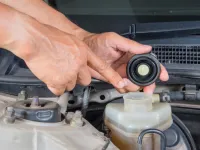
- Check brake fluid level
- Test brake pedal operation
Annually:
- Replace the air filter (may affect engine vacuum)
- Clean electrical connections of sensors
- Professional brake system inspection
Every 2 years:
- Replace brake fluid
- Test brake booster vacuum pressure
- Calibrate the brake pressure sensor (if necessary)
Early Warning Signs:
Pay attention to the following symptoms that may precede P0555:
- Brake pedal firmer than usual
- Increased stopping distance
- Hissing sounds from the brake booster
- Engine RPM fluctuations during braking
Estimated Repair Costs
Parts:
- Pressure sensor: 80–200 RON
- Main vacuum hose: 25–50 RON
- One-way valve: 30–80 RON
- Brake booster (complete): 300–800 RON
Labor costs:
- Diagnostic: 50–100 RON
- Sensor replacement: 100–150 RON
- Vacuum leak repair: 80–120 RON
- Brake booster replacement: 200–300 RON
Important: These prices are indicative and may vary by vehicle make, system complexity, and workshop rate.
When P0555 appears, a full diagnostic is essential to identify the exact cause. Do not ignore this issue, as it can seriously compromise braking safety.