- TCS prevents wheel spin on wet or slippery surfaces using wheel-speed sensors.
- It reduces engine power or selectively brakes slipping wheels.
- A dashboard warning icon shows when TCS is active.
- ESC evolved from TCS, compares travel direction and corrects skids.
The traction control system, known by the abbreviation TCS (Traction Control System), is an essential technology present on all modern passenger cars. Its primary role is to prevent wheel spin and loss of traction on wet, slippery, or snow- or ice-covered surfaces.
The Traction Control System uses speed sensors mounted on each wheel of the vehicle. These sensors, which are also used by the anti-lock braking system (ABS), constantly monitor the rotation speed of the wheels and transmit the information to the electronic control unit (ECU).
When one of the driven wheels starts to slip and spin faster than the others, the sensors immediately detect this speed difference. At that moment, the TCS automatically intervenes using one or both of the following methods:
- Reducing engine power - the system temporarily limits the torque delivered to the slipping wheel by adjusting the throttle opening or delaying ignition
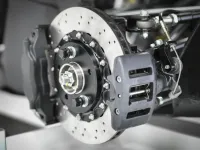
- Selective braking - applies the brake to the slipping wheel to redistribute traction to the other wheels
When the TCS is active and intervenes, you will notice the intermittent illumination of a warning indicator on the dashboard, usually represented by a car icon seen from above with skid marks.
Benefits of the Traction Control System
The main difference between the response of a TCS and manual intervention by the driver lies in speed and precision. The electronic system can detect loss of traction hundreds of milliseconds before an experienced driver and can intervene almost instantly.
Moreover, the computer can precisely modulate the power transmitted or the braking force applied to each wheel, a maneuver impossible for a driver to replicate manually. This precision helps maintain the vehicle’s stability even under challenging road conditions.
When to disable TCS
Although the option to deactivate exists, specialists recommend keeping the system active under normal driving conditions. Deactivation should be temporary, used strictly in the situations mentioned above — deep mud, heavy snow, or being stuck.

Traction Control and ESC systems are designed to operate in the background, without affecting the normal driving experience, intervening only when absolutely necessary. Keeping them active significantly contributes to your safety and that of other road users, especially in difficult weather conditions or on low-adhesion surfaces.
The relationship between TCS and ESC
At its inception, the Traction Control System was seen as a major safety innovation. However, today TCS has been integrated into a more complex and comprehensive system: ESC (Electronic Stability Control) or the electronic stability control system.
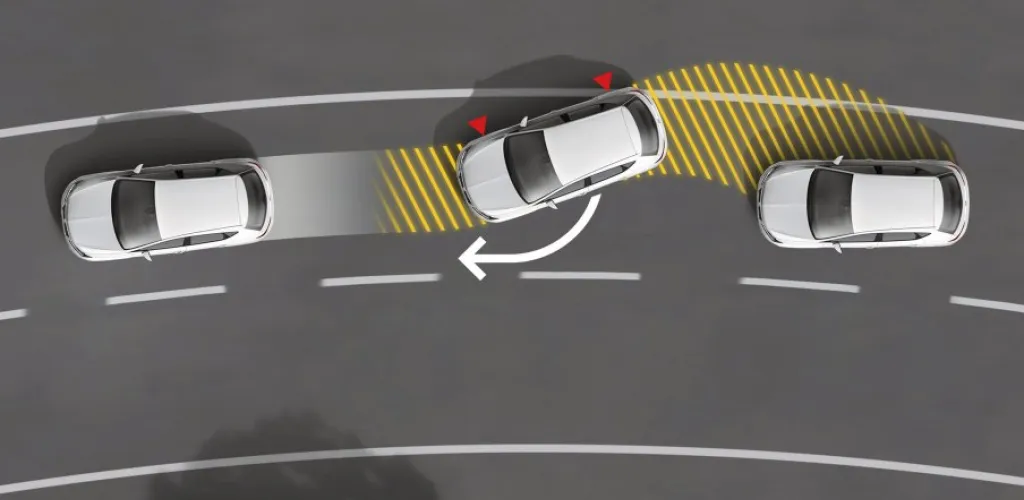
ESC represents an evolution of TCS technology and has significantly more advanced capabilities. This system continuously compares the vehicle’s actual direction of travel with the direction the steering wheel is turned. When it detects a discrepancy that could lead to skidding or loss of control, ESC intervenes by:
- Reducing engine power
- Selective braking on individual wheels
- Adjusting torque distribution between axles (in all-wheel-drive vehicles)
These interventions help maintain the desired trajectory and prevent skidding or rollover.

Modern Systems and Legislation
In most modern passenger cars, the distinction between TCS and ESC has blurred. Many vehicles use an integrated ESC system that fulfills the functions of both components, using the same sensors and acting in a coordinated manner.
Starting in 2012, the ESC system became mandatory under international regulations for all new vehicles sold in Europe, which led to the standardization of this safety technology.
How to deactivate the system
The method to deactivate the TCS or ESC system varies depending on the model and make of the car:
- Older vehicles — have a dedicated button on the dashboard, usually labeled with ‘TCS OFF’ or ‘ESC OFF’
- Modern vehicles — may require accessing the onboard computer menu via the central screen
- Some models — allow only partial deactivation, keeping basic safety functions active
It is important to note that in most cases the system will automatically reactivate on the next engine start or after exceeding a certain speed, to ensure maximum safety.
Usage Recommendations
Although the option to deactivate exists, specialists recommend keeping the system active under normal driving conditions. Deactivation should be temporary, used strictly in the situations mentioned above — deep mud, heavy snow, or getting stuck.
Traction Control and ESC systems are designed to operate in the background, without affecting the normal driving experience, intervening only when absolutely necessary. Keeping them active significantly contributes to your safety and that of other road users, especially in difficult weather conditions or on low-adhesion surfaces.