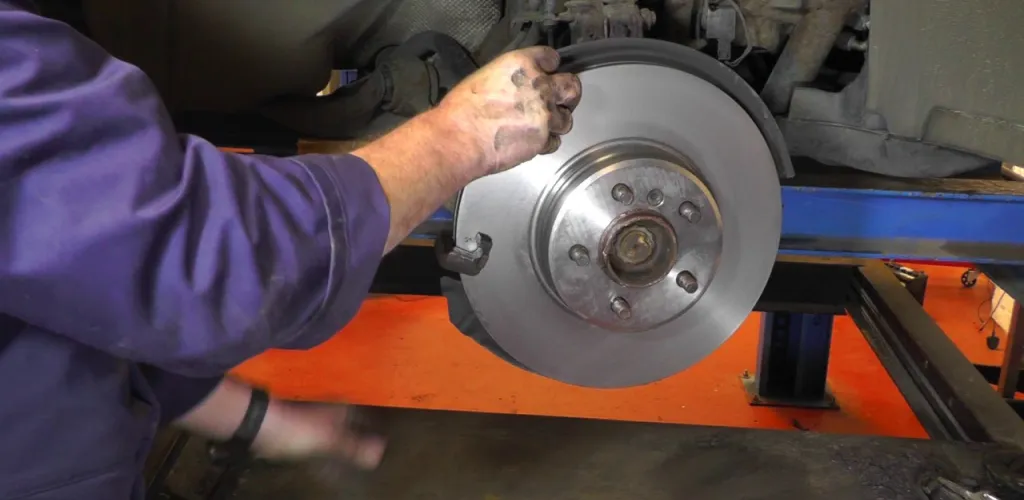
- Replace discs when thickness is 20–22 mm or deep scoring, cracks, or corrosion appear.
- Test at 60 and 100 km/h with hard braking to detect vibrations.
- Don’t replace pads alone; worn discs cause uneven contact and faster wear.
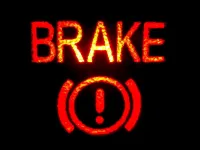
- Look for signs: vibrations, noises, pulling, longer pedal travel, or overheating.
Brake discs are essential components of the braking system, and timely replacement is crucial for your safety and that of other road users. Worn discs directly affect braking efficiency and can lead to dangerous situations if not detected and addressed promptly.
A worn or damaged brake disc not only reduces the vehicle’s stopping power, but can also cause premature wear of brake pads, increasing maintenance costs in the long run.
How to test brake discs yourself
You can test the brake discs yourself with a simple test, but it requires attention and prudence. Drive steadily at 60 km/h, make sure you are alone on the road and then press hard on the brake pedal. If the steering wheel vibrates or you feel vibrations in the brake pedal, the discs should be examined more closely.
If at 60 km/h everything seemed normal, repeat the test, but this time from 100 km/h. If vibrations occur, have the braking system checked by a mechanic.
Signs indicating brake disc problems
If you feel that the car vibrates completely when braking or only the steering wheel moves when you apply the brake, consult a mechanic. They will tell you whether the brakes need repair or replacement.
You may have only a slight runout on the brake discs that can be eliminated without affecting the brake disc, or it may be worn enough that urgent replacement is required.
Other symptoms indicating disc wear:
- Metallic noises when braking
- Persistent squeal even after replacing the pads
- The feeling that the car pulls during braking
- Longer travel of the brake pedal
- Brake overheating under normal driving conditions
Why you shouldn’t change only the pads
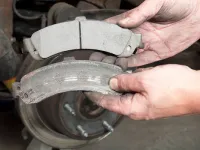
Don’t change the brake pads if the discs are damaged. The brake pads must sit perfectly on the discs for optimal braking.
If the discs are worn or have ridges on the outer surface, the pads will not contact across their entire surface, which means braking will be inefficient.
Additionally, pads are much softer than brake discs and will gradually take the shape of the disc and wear unevenly.
Consequences of selective replacement
Replacing only the pads on worn discs can lead to:
- Accelerated wear of the new pads
- Uneven and unpredictable braking
- Significantly increased stopping distance
- Overheating of the braking system
- Premature damage to other components
When brake discs should be replaced
Wear criteria
Brake discs should be replaced when:
- The minimum thickness is reached (specified by the manufacturer, usually between 20-22 mm for ventilated discs)
- Deep scoring (over 0.5 mm depth) is visible on the surface
- Runout exceeds 0.05 mm
- Cracks are present on the friction surface
- Corrosion affects the active surface
Visual inspection
A disc in good condition shows:
- Uniform surface, without deep scoring
- Uniform color across the surface
- Smooth edges, no burrs
- Absence of cracks or signs of overheating
How to extend brake disc life
Use the brakes only when needed. If you keep your foot on the brake all the time, even when a simple gear change can reduce speed to what you need, you will only end up replacing the discs and pads more often than necessary.
Anticipatory braking
- Maintain a safe following distance
- Anticipate traffic lights and traffic
- Use engine braking whenever possible
- Avoid sudden and repeated braking
Preventive maintenance
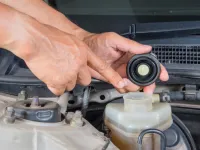
- Check brake fluid level periodically
- Regularly monitor pad wear
- Have the technical inspection on time
- Do not ignore noises or vibrations when braking
Factors that accelerate wear
- Aggressive driving with repeated hard braking
- Overloading the vehicle
- Heavy urban traffic with frequent stop-and-go
- Mountain driving with long descents
- Poor quality brake pads or brake fluid
Costs and professional recommendations
When to call a mechanic
Consult a specialist when:
- You feel vibrations while braking
- Unusual noises appear
- The brake pedal becomes soft or sinks
- The car pulls to one side during braking
- Stopping distance has visibly increased
Replacement in sets
It is recommended to replace discs on the same axle simultaneously to maintain braking system balance. Differences between discs can cause uneven braking and affect vehicle stability.
Sursa foto: youtube.com, halfords.com