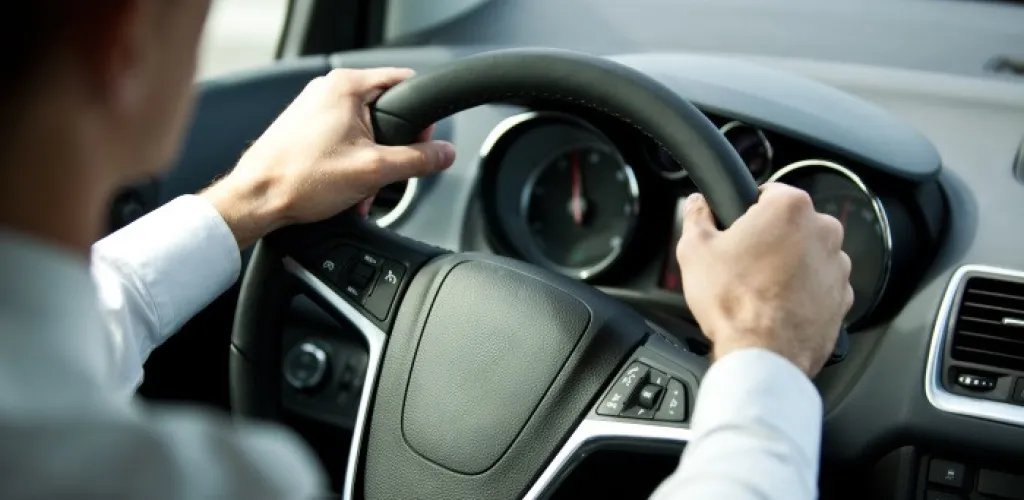
- Pulling indicates faults in brakes, tires, or steering; fix promptly for safety.
- Brake issues include warped discs, hydraulic leaks, or uneven caliper pressure needing urgent repair.
- Tires: uneven wear or different tread depths cause pulling; inspect and measure tread.
- Steering: worn joints, bent tie rods, or worn rack cause pull; requires professional diagnosis.
When the car starts pulling to one side, steering becomes harder and you must exert extra effort to keep the vehicle on your desired path. While you can compensate by gently turning the wheel, this is not a long-term solution and can compromise your road safety.
This issue almost always points to a fault in one of the vehicle’s critical systems: brakes, tires, or the suspension and steering. Quick identification of the cause and repair is essential for your safety and that of other road users.
Braking system issues
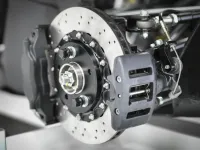
Checking brake discs
Inspect the brake discs for surface irregularities. If you notice areas where the disc is not flat, those need urgent replacement. A warped disc or raised edges will create uneven friction with the pads.
Problems with the hydraulic system
Look under the car and check for signs of brake fluid. A leak in the hydraulic system can cause a different pressure between the left and right brakes, resulting in the vehicle pulling.
Brake caliper operation
If one disc is not pressed uniformly by the pads, the car will pull to the other side. Ensure that the calipers work in sync and that the brake pads are applied with the same force on both discs, reaching the disc surface simultaneously.
Important: Any braking system issue requires immediate repair — do not delay intervention!
Checking the tires
If the braking system shows no defects, the next step in diagnosis focuses on the tires and their wear.

Uniform tread wear
Check whether tires wear evenly on the tread. The tires on the left should have the same wear as those on the right. A significant difference in wear will cause the vehicle to pull.
Measuring tread depth
Use a ruler or a depth gauge to measure the tread height. If, for example, the left tire tread depth is 9 mm and the right is 6 mm, you have identified the cause of the problem.
Effects of potholes and shocks
If you hit a pothole hard, the steering pull may appear long before the tires begin to wear unevenly. The impact can bend the rim or unbalance the wheel.

Steering system - detailed check
Worn components in the steering system can create major handling issues. Inspecting this system requires advanced technical knowledge and specialized equipment.
Steering system structure
The vehicle’s steering system relies on numerous sealed joints that contain both metal parts and rubber components. Over time, the rubber parts wear and can crack, allowing lubricant to escape from the assembly.
Effects of wear on components
Problems can include:
- Worn steering ball joints - allow excessive play in the steering system
- Bent tie rods - modify alignment angles
- Worn steering rack - creates imprecision in response to commands
- Damaged shocks - affect vehicle stability
Professional diagnosis
A single faulty part can affect the entire steering system and compromise vehicle safety. For this reason, diagnosis and repair of these components must be performed by a qualified mechanic or at a specialized service.
When to go to a service
If you struggle to keep the car in a straight line and constantly wrestle with the steering wheel, schedule an inspection at a trusted auto service center urgently. Delaying this check can lead to:
- Accelerated tire wear
- Deterioration of braking or suspension systems
- Compromised road safety
- Significantly higher repair costs
A professional diagnosis will identify the exact cause of the problem and prevent the situation from worsening.
Photo sources: bemac.ca, bgr.com