- Recycling car batteries is legally required due to toxic lead and sulfuric acid.
- Short urban trips degrade batteries; longer trips help recharge fully.
- Check battery status twice yearly with a visual indicator or multimeter.
- Romania mandates used battery recycling under Government Decision 1132/2008.
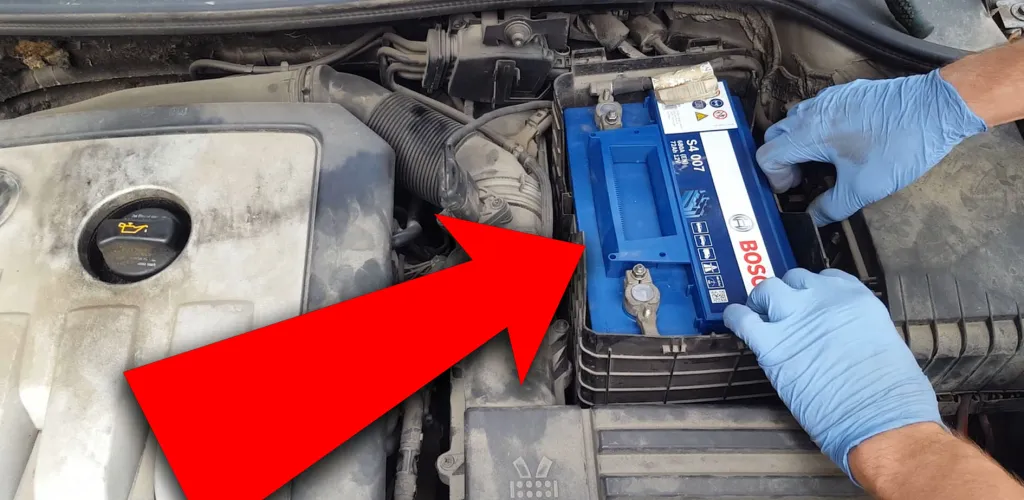
The car battery is one of the most important components of the vehicle, located under the hood and responsible for starting the engine and powering electrical systems. Although most drivers do not frequently interact with this component, neglecting it can lead to an inability to start the engine and other serious problems.
When the battery reaches the end of its life, recycling it is not just an option but a legal obligation. This is due to the highly toxic contents: lead and sulfuric acid, substances hazardous to the environment and human health.
Life expectancy of a car battery
- Mode of use - short trips vs long trips
- Driving style - electrical loads used frequently
- Environmental conditions - extreme temperatures, humidity
- Maintenance quality - periodic checks, terminal cleanliness
Batteries that benefit from optimal usage and maintenance can reach the upper 5-year mark without major issues.
The impact of short trips on the battery
The batteries of vehicles used predominantly in urban traffic for short distances degrade the fastest. This happens because the alternator does not have enough time to fully recharge the battery after starting the engine.
On every start, the battery consumes a significant amount of energy. If the engine runs only 10-15 minutes, the alternator cannot compensate for the energy consumed, and the battery gradually discharges. Over the long term, this partial-discharge cycle reduces battery capacity and shortens its life.
To counteract this effect, it is advisable to take longer trips periodically (minimum 30-40 minutes) which allow the battery to recharge fully.
Checking the battery status
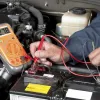
It is essential for each driver to check the battery at least twice a year, ideally in spring and autumn, when extreme temperatures can affect performance.
Methods of checking
Visual indicator - Modern batteries usually have a readily visible indicator that changes color depending on charge state:
- Green - battery fully charged
- Black - battery needs charging
- White/Yellow - battery defective, replacement needed
Multimeter testing - Using a digital multimeter provides precise data on the battery voltage:
- 12.6V or more - battery fully charged
- 12.4V - about 75% charged
- 12.2V - about 50% charged
- Below 12V - battery discharged, needs immediate charging
The legal framework for battery recycling
According to Government Decision no. 1132/2008, used automotive battery recycling is mandatory in Romania. This legislation aims to protect the environment and public health from the toxic substances contained in batteries.
Legal obligations
Retailers and distributors - They are obliged to take back used batteries from customers free of charge and send them to authorized recycling centers.

Auto service centers - They must accept old batteries as exchange and direct them to recycling. Many service centers offer discounts for returning the old battery.
Drivers - They are obliged to return the used battery for recycling, either at the moment of purchasing a new battery or within 30 days.
Recycling fee
If you choose not to return the old battery at the time of replacement, you will be required to pay a 10% recycling fee based on the price of the new battery. This fee acts as a returnable deposit:
- 10% of the price of the new battery is retained at purchase
- You have 30 days to return the old battery
- Upon return, the fee is fully refunded
- You can also return another used battery to recover the fee
This mechanism encourages recycling and ensures that used batteries do not end up in the environment.
Why the car battery is dangerous to the environment
A standard car battery contains approximately 9-10 kg of lead and 3-4 liters of sulfuric acid, both highly toxic substances. If a used battery is improperly discarded, these substances can contaminate soil and groundwater.
Effects of lead - A heavy metal that accumulates in the body and environment, affecting the nervous system, kidneys, and reproduction.
Effects of sulfuric acid - An extremely corrosive substance that can acidify soil and water, destroying ecosystems.
With proper recycling, over 95% of a battery’s components can be recovered and reused for making new batteries or other products, significantly reducing environmental impact.
Where to drop off the used battery
If the auto service does not take back the old battery, you have several options:
- Hazardous waste collection centers
- Battery manufacturers’ collection points
- Auto parts stores selling batteries
- Industrial parks with authorized recycling facilities
Before dropping off, it is advisable to contact the location to confirm they accept used car batteries and their hours of operation.
Adhering to the legal recycling obligation is not only a matter of compliance but also an act of responsibility toward the environment we live in and future generations.