- Following the maintenance schedule extends engine life and reduces long-term repair costs.
- Regular professional inspections detect issues early, improving safety and reliability.
- A detailed maintenance history helps preserve resale value of the car.
- The service manual specifies a plan that should be followed for best results.
Following your car’s maintenance schedule is one of the most important responsibilities for any vehicle owner. Although many drivers view service visits as an unnecessary expense, preventive maintenance is the most effective way to save money in the long run and to keep safety on the road.
Most of us do not follow a defined maintenance program for the car. While this might seem like a significant saving, in the long term this attitude proves unfavorable for car upkeep.
Key benefits of following the maintenance schedule
The car’s service manual specifies a maintenance plan that should be followed and implemented. The more carefully we keep the car in good working order, the longer it will last and the more we can enjoy all the benefits it can bring.
Engine and component lifespan extension
When the maintenance schedule is followed, it helps increase the lifespan of the vehicle. It is necessary to perform proper maintenance on the car to reap long-term benefits.
First of all, it is important to consider that a car that is not properly maintained and checked for mechanical faults can endanger the driver and other road users.
Moreover, proper maintenance helps ensure an extended life for the vehicle. This is the main reason you should take care of the inspection steps periodically so that in the long term you avoid unnecessary costs related to potential repairs or even the need to replace the vehicle.
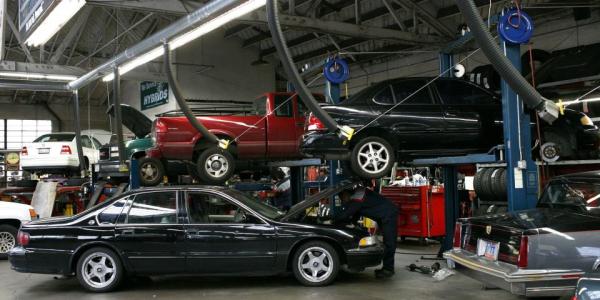
Increased road safety through professional inspections
Periodic checks can help achieve significant long-term savings. Many drivers believe they can assess their car’s technical state just by visual inspection, which is usually not true.
Cars need periodic verification for several reasons. Inspections at a service can help detect issues before they cause damage to important components or affect the car’s operation.

To ensure road safety and better vehicle performance, experts recommend examining seven components:
- Engine - checking oil level and quality, fuel and ignition systems
- Brake system - inspection of discs, pads, and brake fluid
- Steering system - checking play and alignment
- Electronic systems - diagnosing the onboard computer and sensors
- Wipers - operation and blade condition
- Headlights - adjustment and operation of all lights
- Transmission - checking oil level and operation
If problems arise, it is essential that they are repaired or defective parts replaced.
Maintaining the vehicle’s resale value
It is important that the car’s technical condition is checked periodically, both to extend its life and to maintain its value over time.
If you decide to sell the car, a detailed record of maintenance work performed will help and boost the vehicle’s value. The used car market is highly competitive, which means such attention to a maintenance history can make a difference.
Buyers are willing to pay more for a vehicle with a complete service history, as this gives confidence that the car has been cared for.

Long-term financial savings
Engine oil changes contribute to significant financial savings. It may seem odd since you must invest to maintain the vehicle, but you should consider that neglecting certain tasks can generate much higher costs in the long run.
Prevention of major failures
It is important to follow the car’s maintenance schedule because during these service visits minor problems can be identified and fixed at minimal cost.
For example, if the oil level is low, the resulting issues can be significant and may lead to engine damage. The cost of an engine rebuild can run into thousands of euros, while regular oil changes cost only a few hundred euros.
Early detection of problems
Since checking the engine oil level is mandatory at every service visit, you can achieve substantial financial savings and avoid dangerous situations. More importantly, the car could simply fail if it does not receive maintenance, leading to high repair costs.
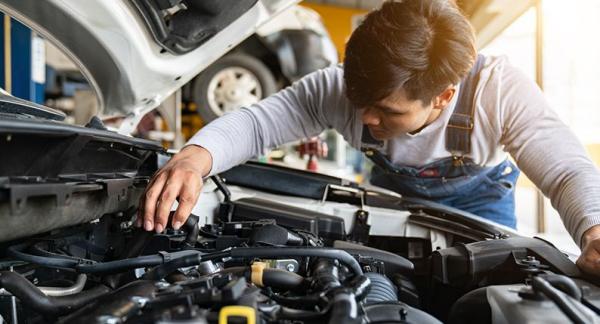
Other examples of problems that can be detected early include:
- Premature tire wear - may indicate geometry issues
- Fluid leaks - can prevent major damage to hydraulic systems
- Unusual noises - may signal wear of bearings or other components
- Abnormal vibrations - may indicate problems with the propulsion system
Impact on warranty and insurance
Following the service schedule is often a condition for maintaining the manufacturer’s warranty. If you do not adhere to the service intervals, you risk losing the warranty, which can result in significant costs in case of a breakdown.
Additionally, some insurance companies offer discounts for vehicles that are regularly serviced at authorized service centers, recognizing the reduced risk of breakdowns.
Recommendations for an optimal maintenance program
To maximize the benefits of preventive maintenance, follow these tips:
- Respect the intervals in the manual - do not extend them even if the car seems to run fine
- Choose a trusted service - preferably authorized by the car brand
- Keep all documents - invoices and service reports are essential
- Don’t ignore signs - any unusual behavior warrants inspection
- Use genuine or equivalent parts - the quality of components influences durability
Conclusion
Periodic maintenance tasks are necessary to ensure a long life for the car and its optimal operation. The investment in preventive maintenance will always prove more economical than emergency repairs, while also offering increased safety and preserved vehicle value.
Following the maintenance schedule is not only a recommendation but a necessity for any responsible car owner who wants to enjoy a safe, efficient, and durable vehicle.
Photo sources: budgetdirect.com.au, readersdigest.ca, newmansautobody.com, driving.ca