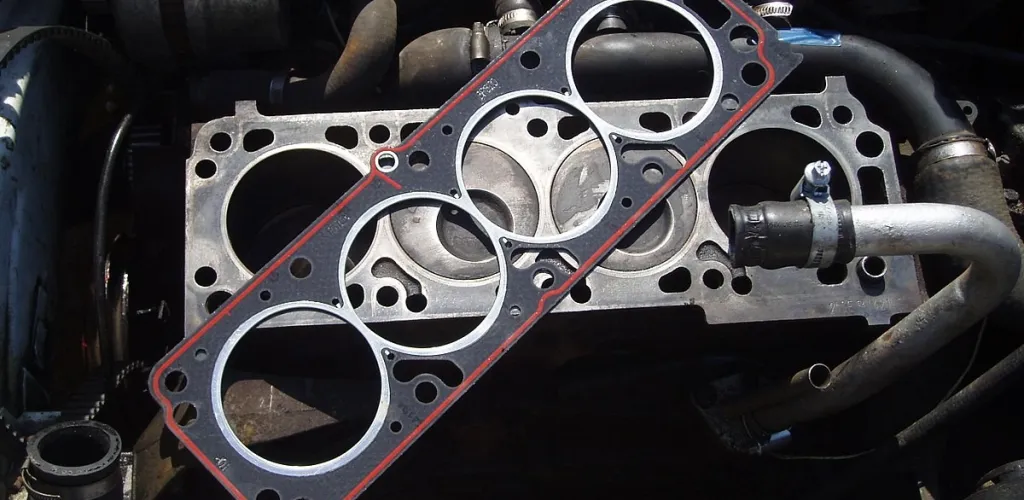

- A blown head gasket disrupts sealing, cooling, and lubrication between block and head.
- Overheating is the main cause, often over 800°C, with cooling failures.
- Ignoring it risks severe engine damage; prompt repair reduces complications.
- Visible signs include white exhaust smoke and coolant/oil mixing.
When your car is not running normally and the mechanic tells you that you have a blown head gasket, it is important to understand how serious the situation is. This failure can cause severe engine damage if ignored, but with prompt intervention, the repair can be carried out without major complications.
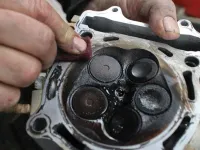
The head gasket plays a crucial role in engine operation, sealing the gap between the engine block and the head and preserving the integrity of the cooling and lubrication passages. A blown head gasket can dramatically compromise vehicle performance and lead to costly damage.
What is the head gasket and what is its role
Let’s first clarify a common mistake - the correct term is “head gasket”, not “valve cover gasket” as it is often pronounced in popular language.
Your engine is made up of two main massive metal components:
- Engine block - houses the crankshaft and pistons
- Cylinder head - contains the intake and exhaust valves and the camshaft
The head gasket sits between these two blocks, performing several critical functions:
Main functions of the head gasket
- Perfect sealing of the engine, making the block and head work as a single unit
- Maintaining compression in the combustion chambers for efficient combustion
- Preventing leaks of oil or coolant from the engine or into the combustion chambers
- Resistance to extreme temperatures - up to 800 degrees Celsius
Technical challenges
- Very high temperatures from the combustion process
- Constant friction between the engine block and the head
- Repeated expansion and contraction of metals during temperature changes
- High pressures generated by combustion cycles
Modern engines are built from different materials - the lower oil pan carterul inferior made of hard plastic, the engine block from aluminum, the head from cast iron. These materials behave differently at extreme temperatures, placing additional stress on the gasket.
Main causes of head gasket failure

The head gasket burns mainly because of engine overheating. Here are the main causes:

Overheating the engine
- Temperatures exceeding 800 degrees Celsius in the combustion chamber
- Excessive expansion of the engine block
- Loss of the gasket’s sealing properties
Cooling system problems
- Low coolant level
- Clogged or defective radiator
- Water pump not functioning properly
- Stuck thermostat
Natural wear
- Advanced vehicle age
- High mileage without replacing the gasket
- Inadequate maintenance
When oil and coolant no longer perform their temperature-regulating roles, the gasket is the first component affected, losing its sealing properties.
Symptoms of a blown head gasket
A blown head gasket allows mixing of engine fluids, creating distinctive symptoms:
Visible signs
- White smoke from the exhaust - the most evident symptom
- Excess water from the exhaust pipe - accompanied by white smoke
- Oil or coolant leaks under the car
- Air bubbles in the radiator and in the coolant reservoir
Changes in fluids
- Oil foaming - a sign that coolant has entered the crankcase
- Dirty coolant or coolant with traces of oil
- Constantly low coolant level
Engine performance issues
- Constant overheating of the engine
- Poor performance - sluggish acceleration, reduced power
- Irregular engine operation
- Abnormal fuel consumption

Technical explanation
Coolant circulates through special passages inside the engine block, similar to veins in the human body. These passages are interrupted only at the head gasket, which has specially sized holes to allow the liquid to pass.
When the gasket burns, the seal is lost and coolant can enter the combustion chambers or mix with the oil in the sump.
Consequences of driving with a blown head gasket
Ignoring a blown head gasket can lead to serious and costly damage:
Immediate damages
- Damage to the catalytic converter due to burnt coolant
- Massive oil leaks that can seize the engine
- Severe overheating with a risk of cracking the block
- Total loss of compression
Long-term damages
- Corrosion of internal engine components
- Accelerated wear of pistons and cylinders
- Damage to valves and valve seats
- The need for a complete engine rebuild

Related issues: cracked or warped cylinder head
Often, a blown gasket is just the beginning. The cylinder head can also be affected:
Symptoms of a cracked cylinder head
-
Oil leaks:
- Oil spots under a parked car
- Check Engine light on modern vehicles
- Constantly low oil level
-
Coolant leaks:
- Coolant traces under the vehicle
- Temperature warning light
- Constantly low coolant level
Poor engine performance
- Difficulty climbing hills
- Slow acceleration
- Significant power loss
- Irregular operation
Technical explanation of the problems
The cylinder head is made of cast iron or aluminum alloys and has special passages for circulating cooling water. The bottom surface is flat to seal with the engine block through the gasket.
When the head gasket cracks, the perfect seal needed to:
- Maintain optimal compression
- Separate the engine fluids
- Ensure efficient operation of the combustion cycles
Detecting coolant in the engine

To confirm that coolant has entered the engine, watch for these signs:
Simple visual tests
- Check the exhaust smoke - it should be white and dense
- Inspect the water in the exhaust - abnormal amount accompanied by white smoke
- Look for bubbles in the radiator - with the engine running at idle
- Inspect the oil - foamy appearance or unusual color
- Monitor the temperature - constant overheating
Beware of misdiagnosis
On modern vehicles with a particulate filter, it is normal for drops of water to appear from the exhaust – this is water produced by burning gases. The problem occurs only when this phenomenon is accompanied by dense white smoke.
Preventing head gasket failure
Preventive maintenance
- Regularly check the coolant level
- Change coolant according to the maintenance schedule
- Monitor the engine temperature while driving
- Stop immediately if the engine overheats
Actions in case of overheating
- Pull over safely
- Turn off the engine and wait for it to cool completely
- Check fluid levels
- Do not continue driving if the problem persists
- Call roadside assistance
Repairing the head gasket
Costs and complexity
- The gasket itself costs only a few tens of lei
- Labor accounts for the largest part of the cost
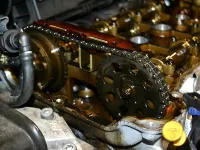
- Associated parts may include timing and water pump
- Always choose OEM parts for maximum durability
Specialist recommendations
- Do not continue driving with a blown gasket
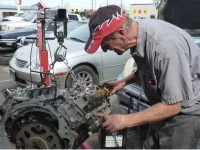
- Transport the vehicle on a tow truck to a service center
- Ensure the repair is complete, including inspection of the head
- Request a warranty for the work performed
A prompt intervention at the first signs can save the engine from serious and costly damage. Ignoring the issue can turn a repair costing a few hundred euros into thousands of euros.